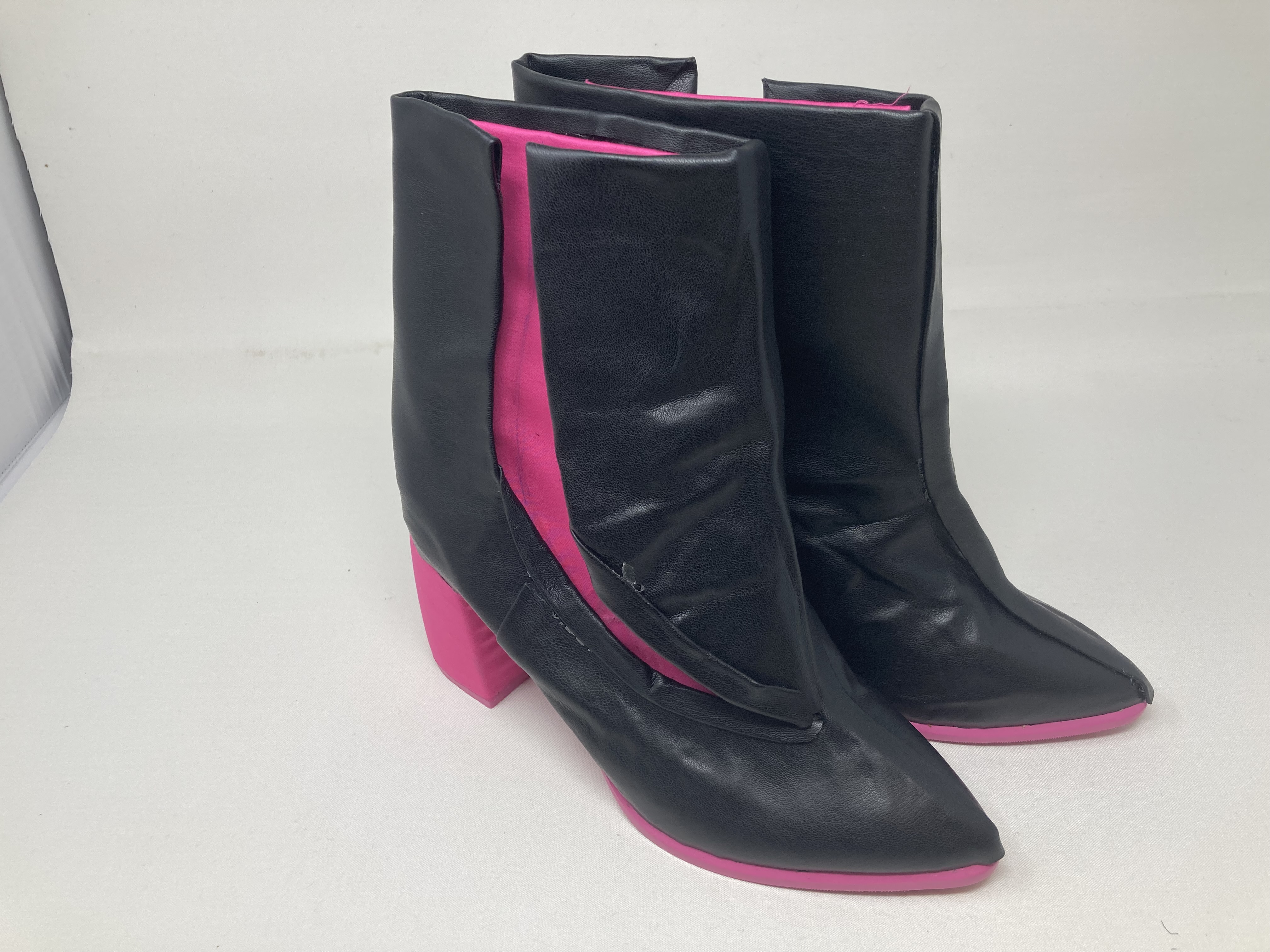
For prototyping, I gathered several pairs of shoes from second-hand stores, and modified them to make them more accessible. These prototypes varied in success, but I will be showing all of them for the sake of research.
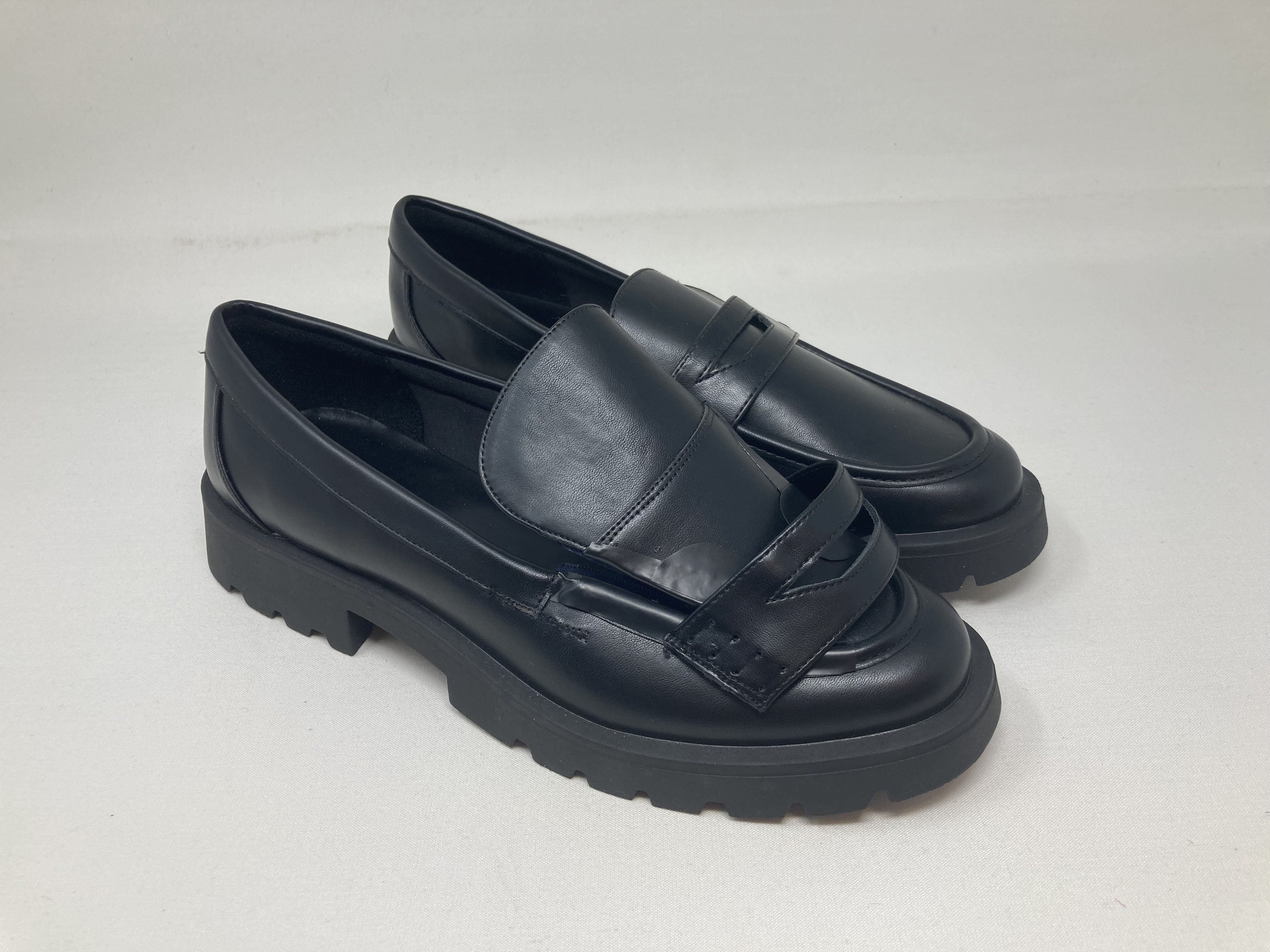
I used a pair of pleather loafers to test how to make more accessible footwear. I decided to use invisible zippers to try and
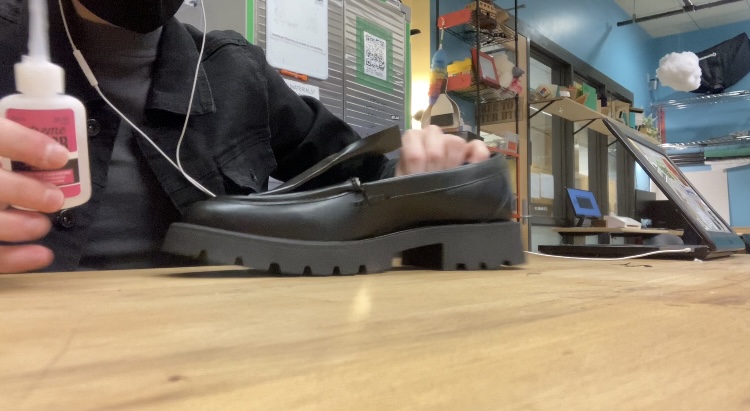
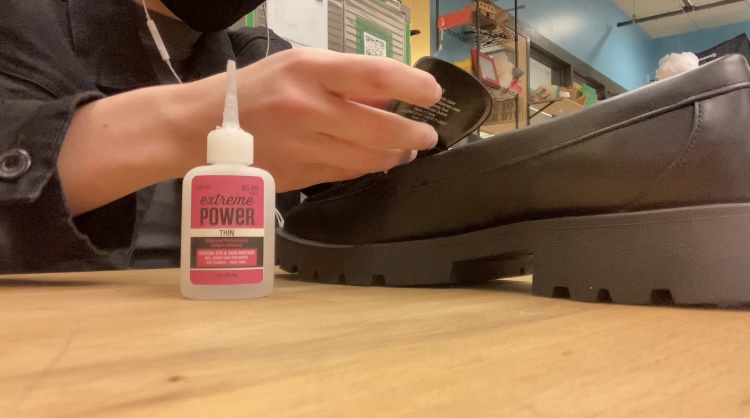
What I learned with this pair was that I need to use a different type of zipper, as invisible zippers, while the most hidden, are the hardest to open, which resulted in the pull system failing. I would also use a different adhesive, I used liquid superglue for the sake of speed and rapid prototyping, but unfortunately it is not good for pourous material like fabric.
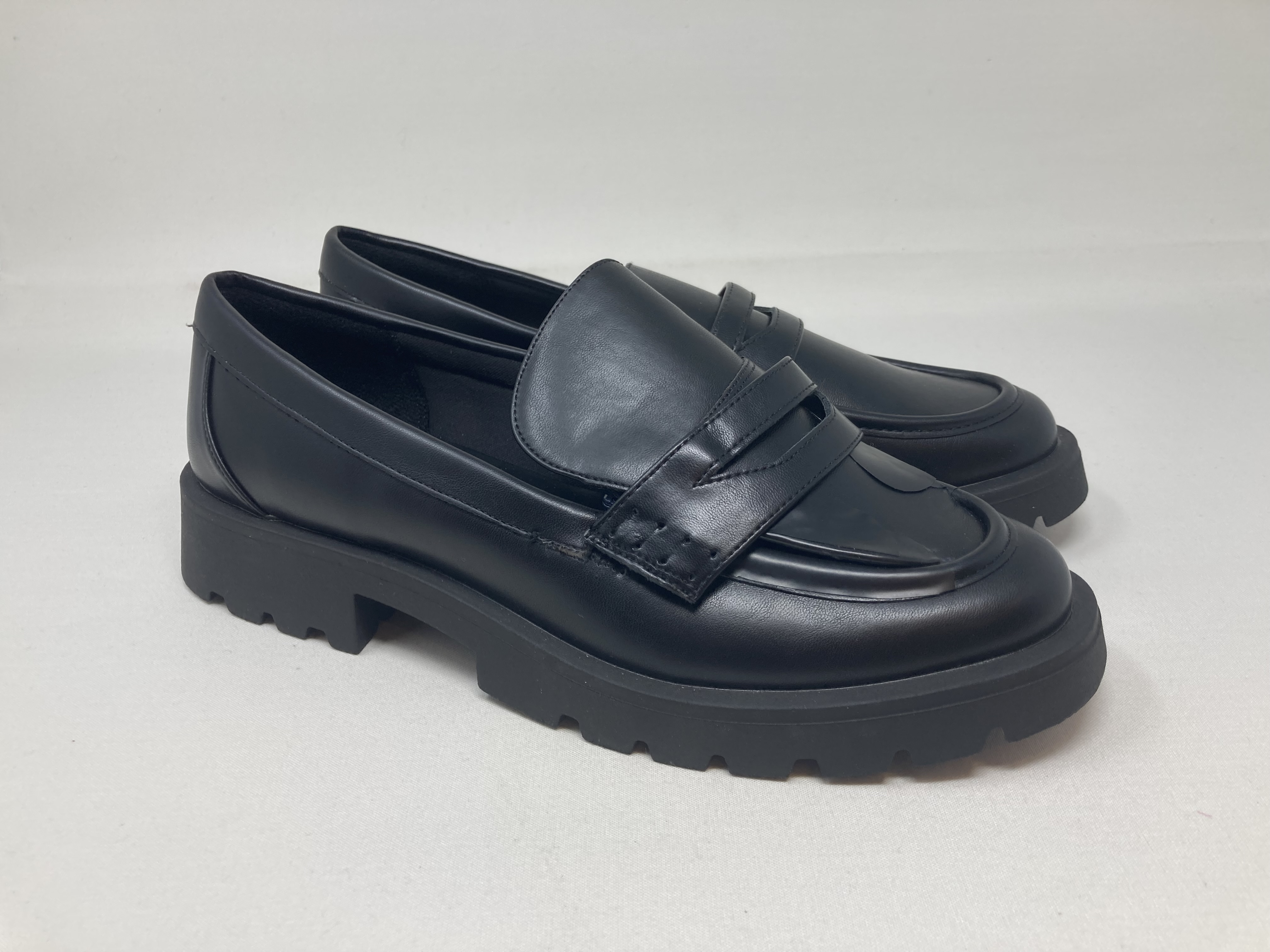
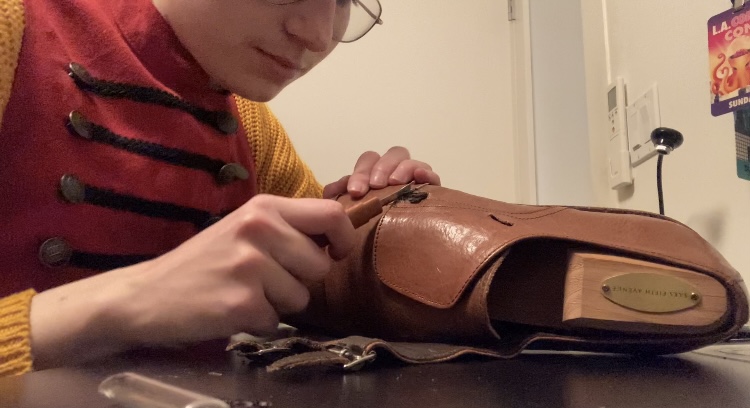
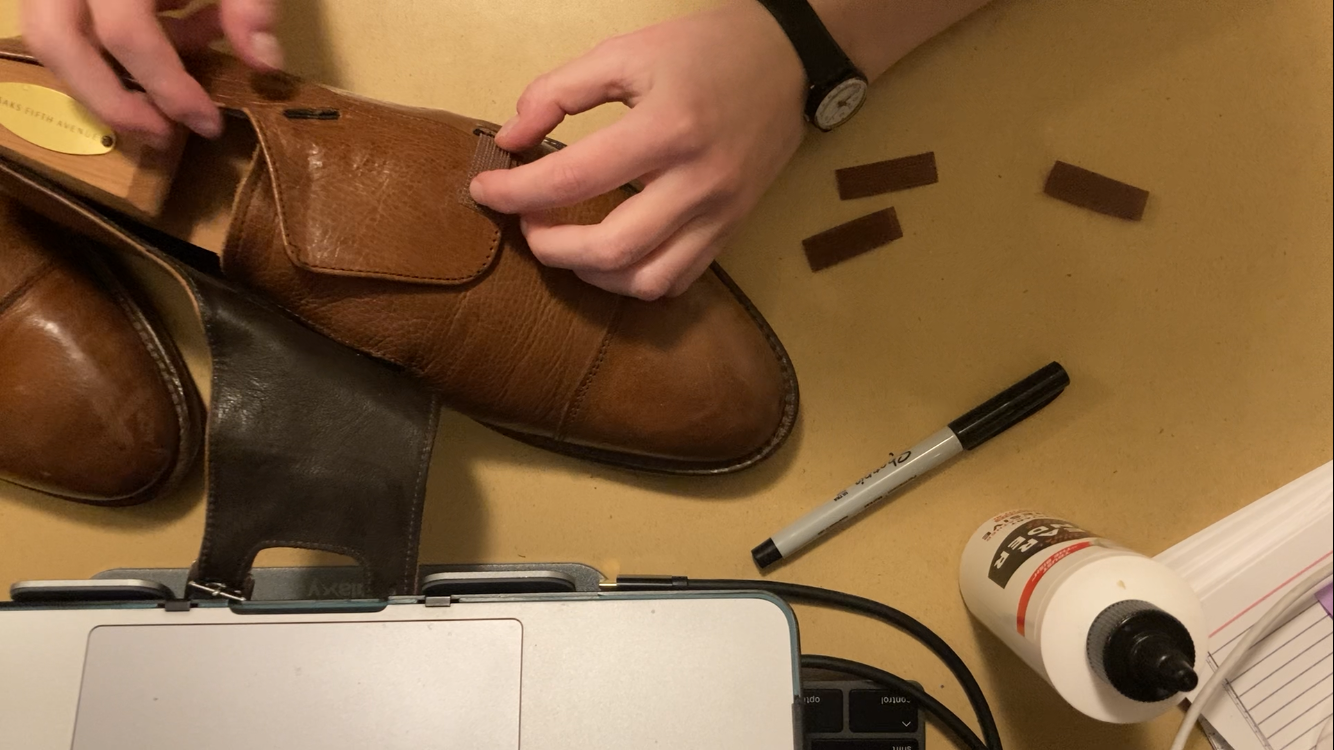
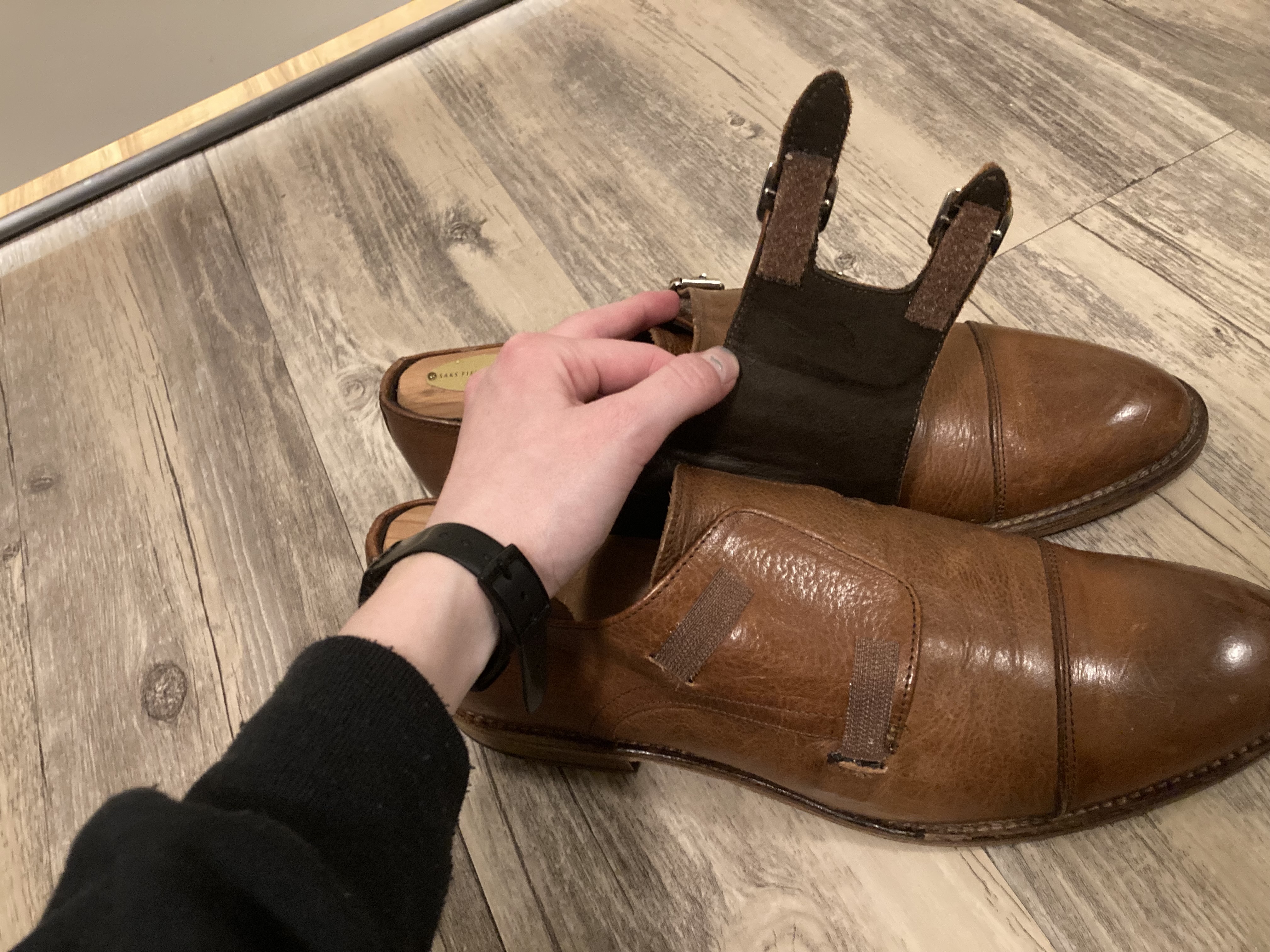
For this pair, I am very happy with how they turned out, this is actually one of the shoes that I altered the least, just replacing the buckles with velcro (but still keeping the buckle hardware for aesthetic purposes.) I need to use a stronger adhesive for this pari as well, since one of the velcro straps failed after multiple uses.
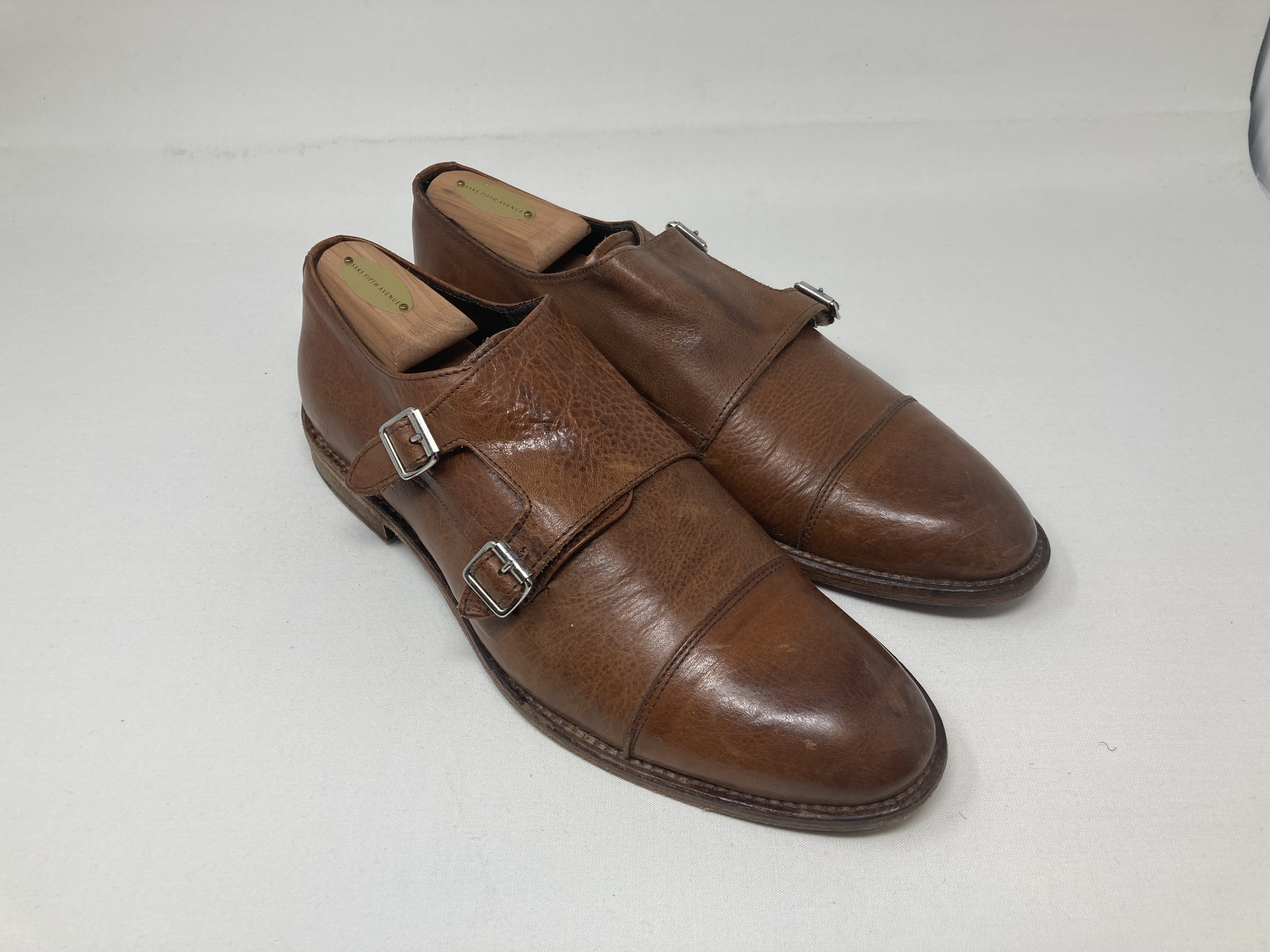
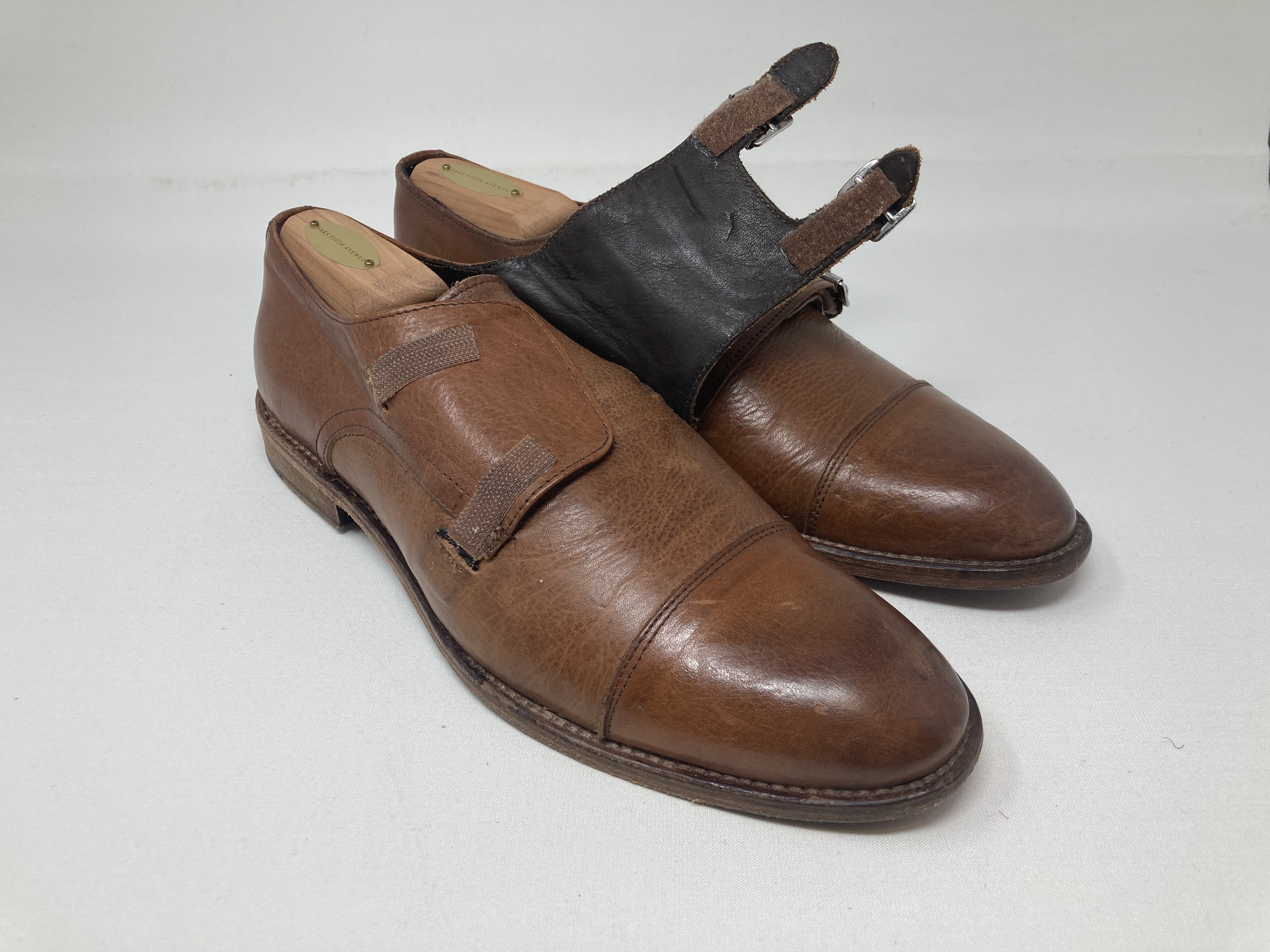
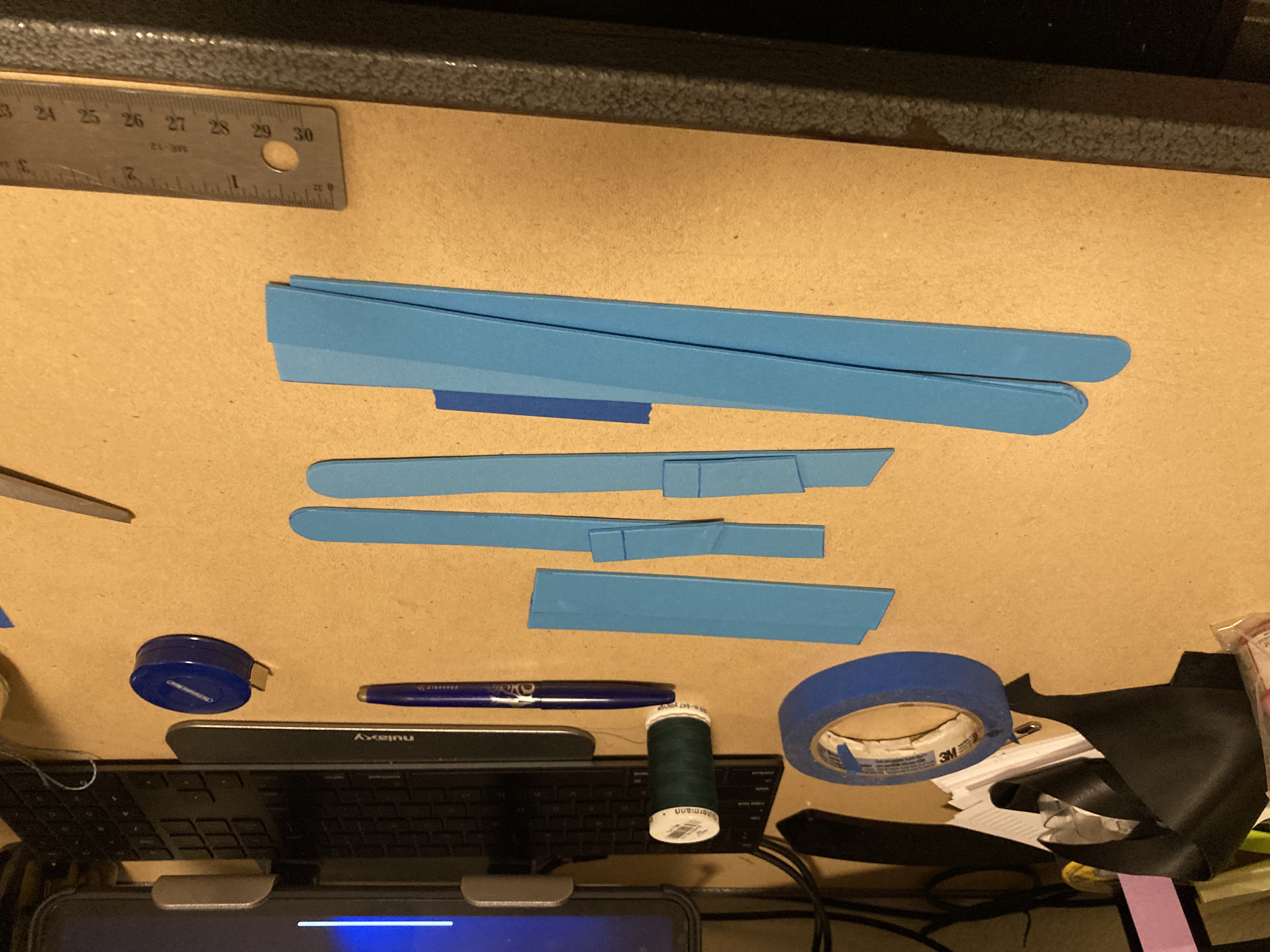
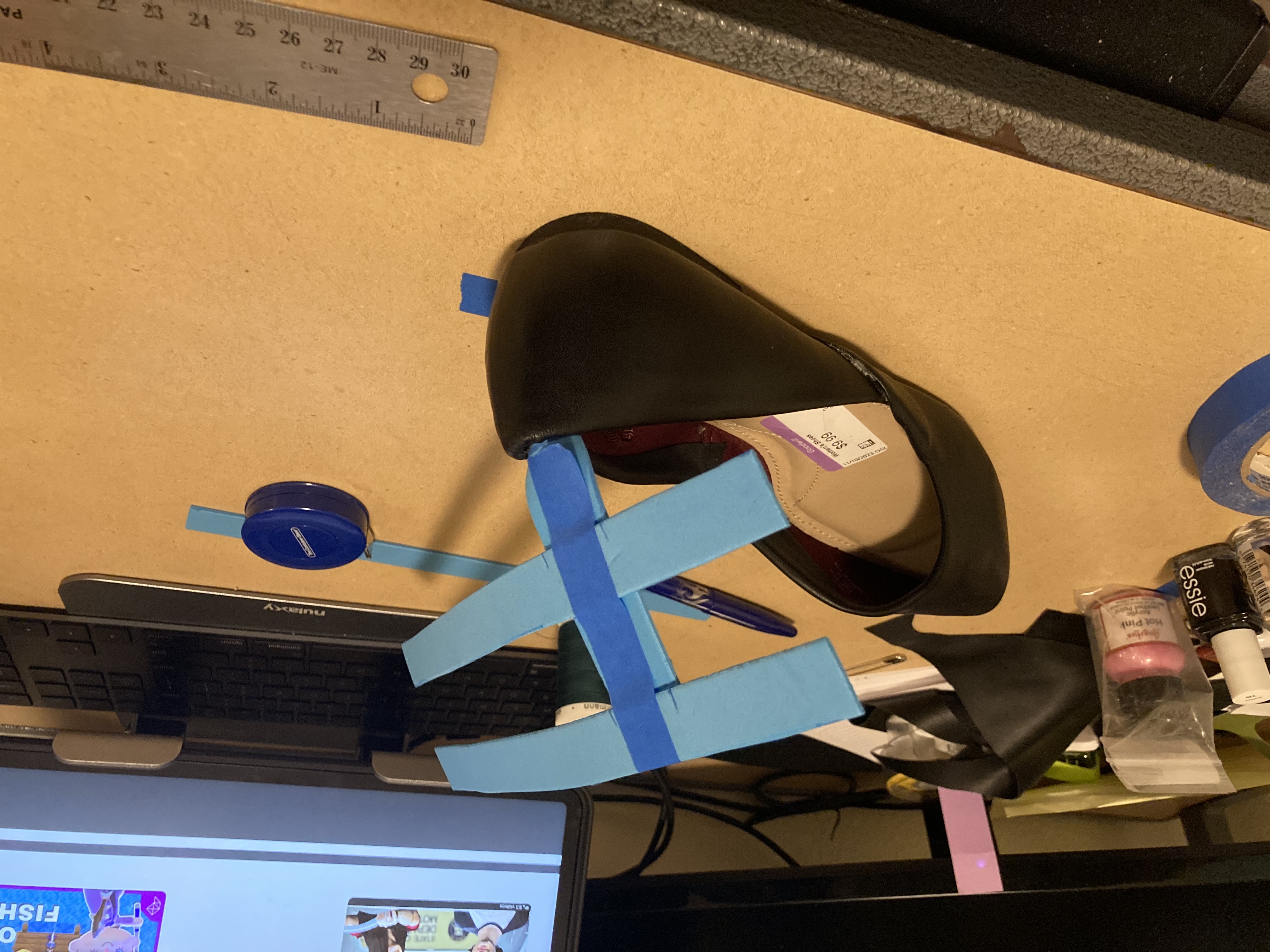
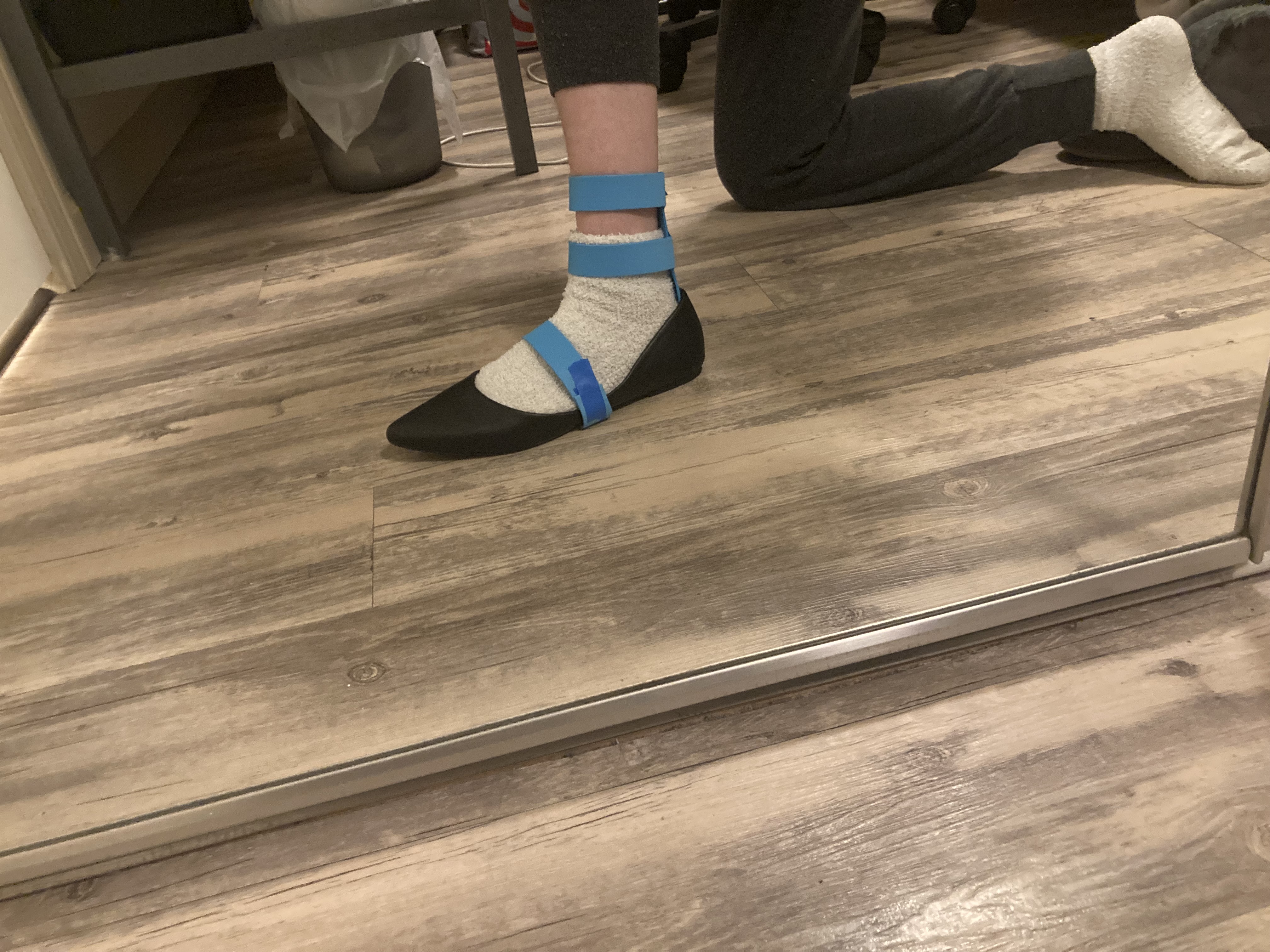
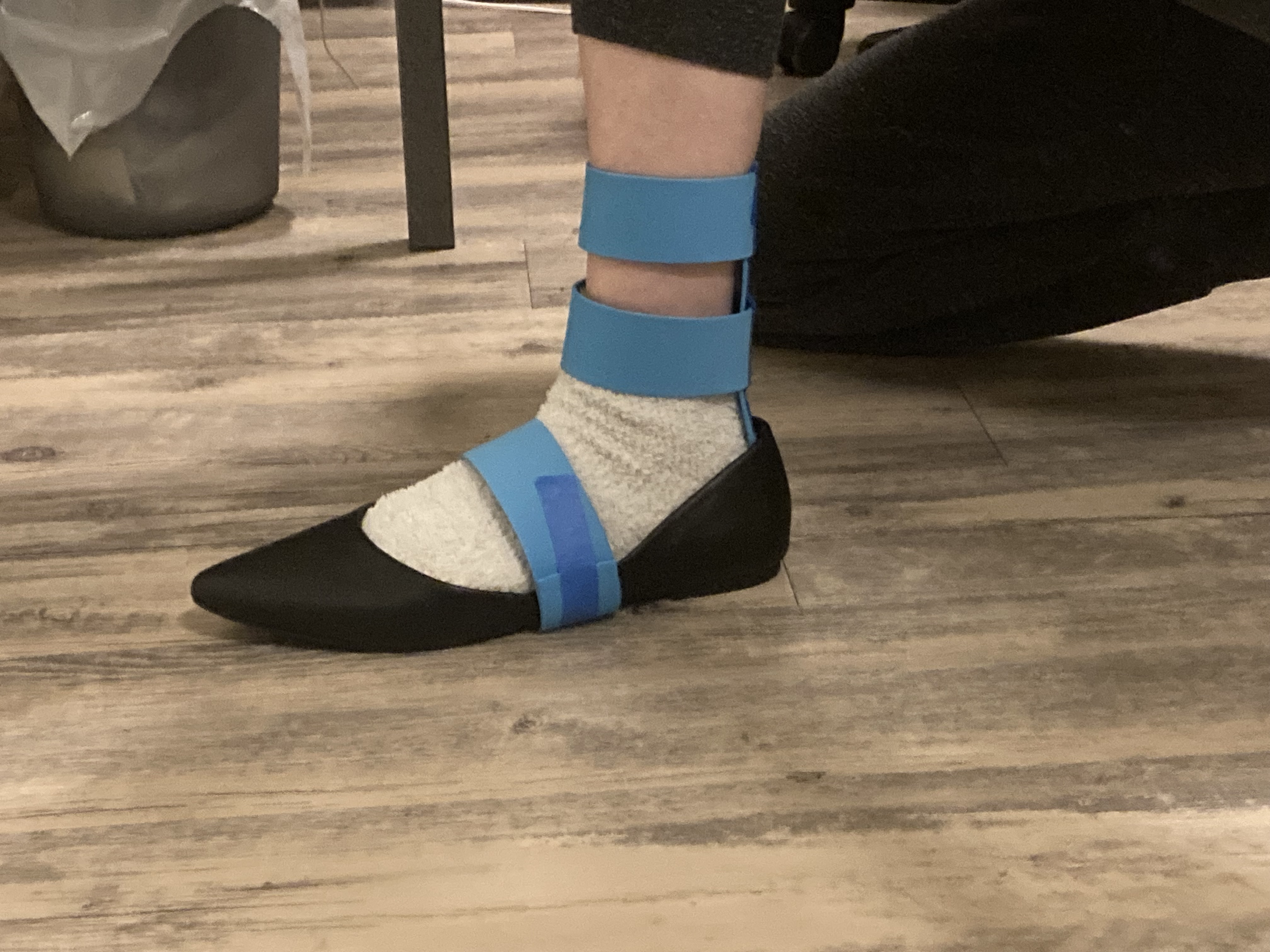
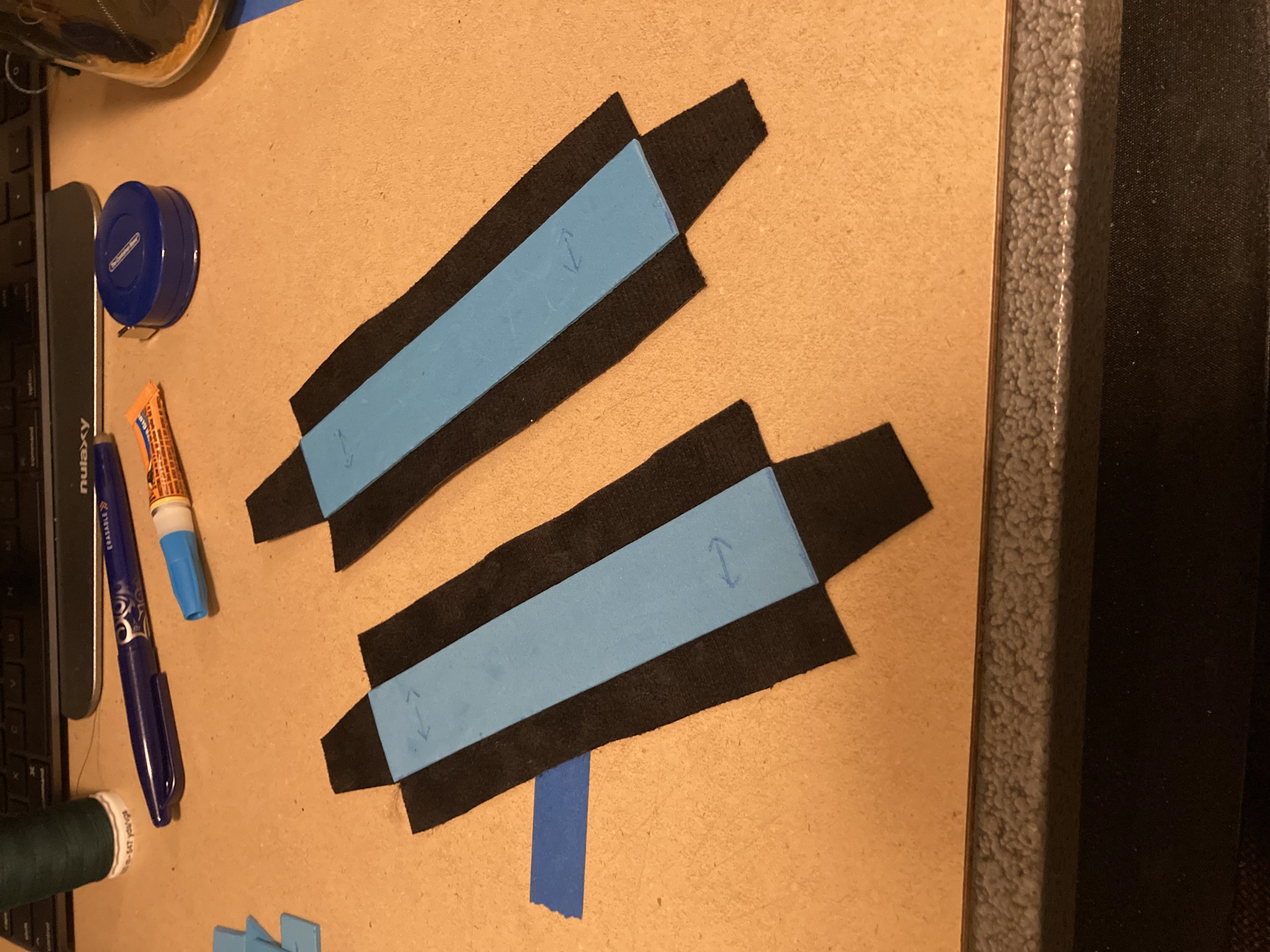
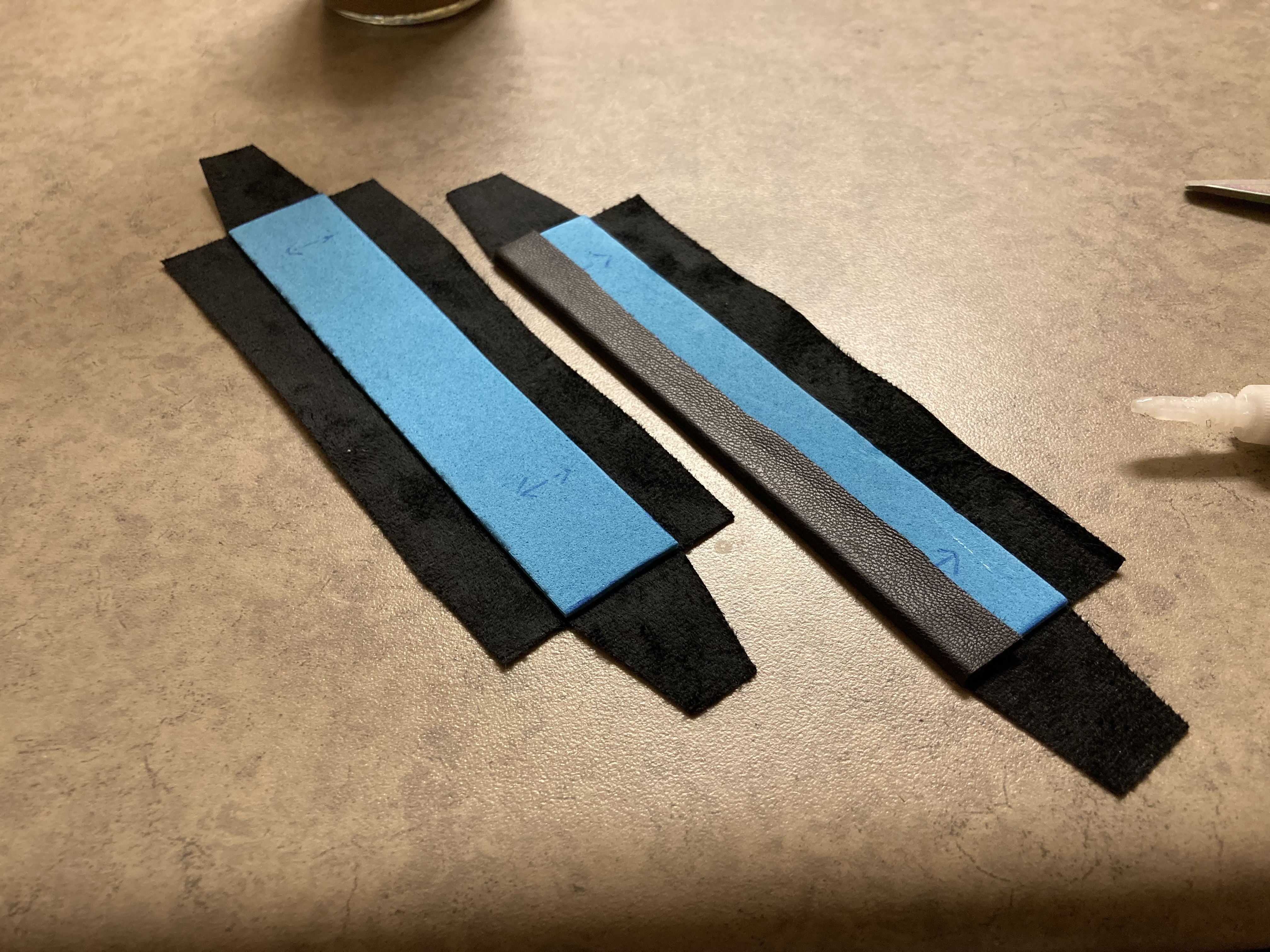
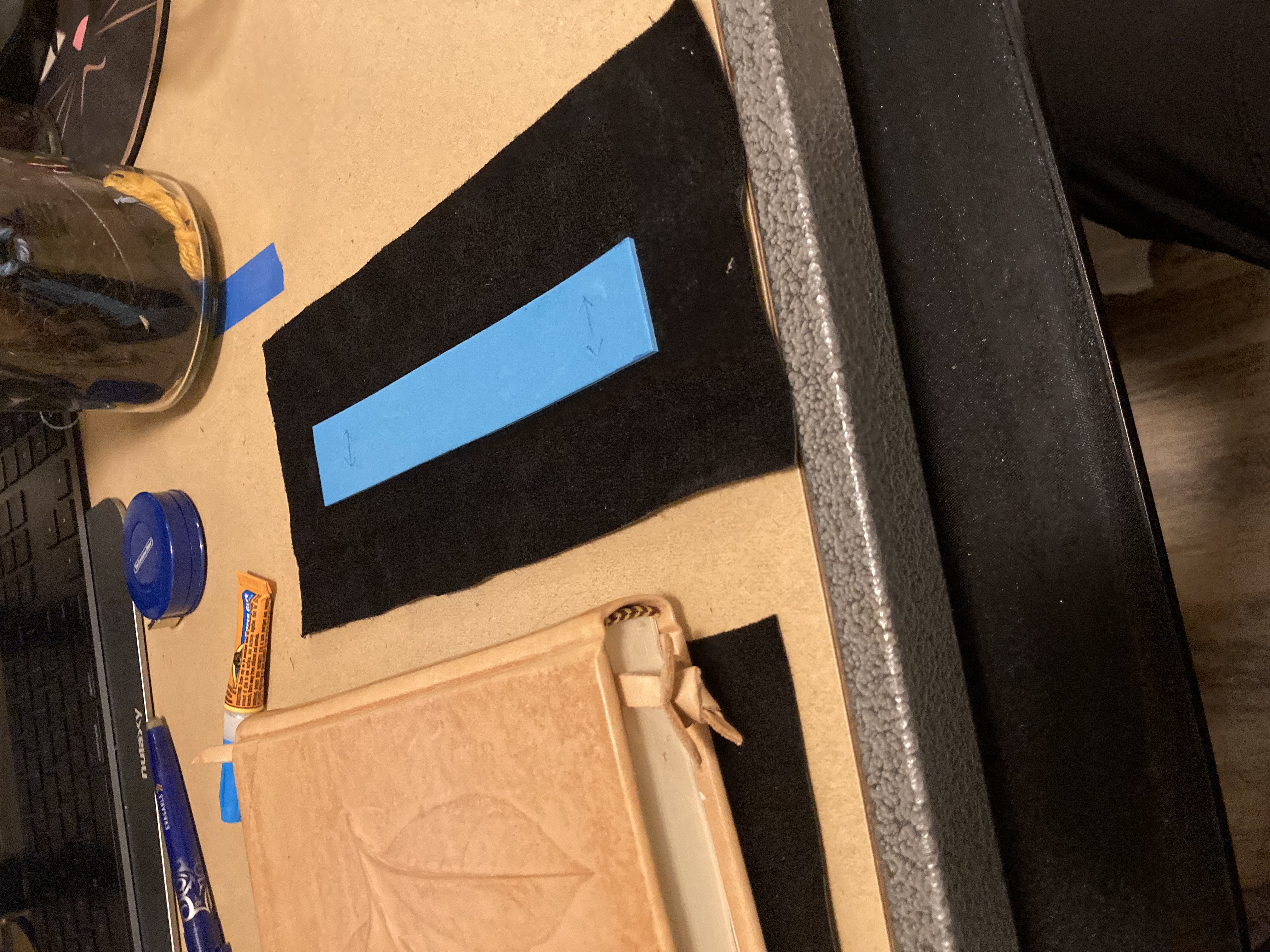
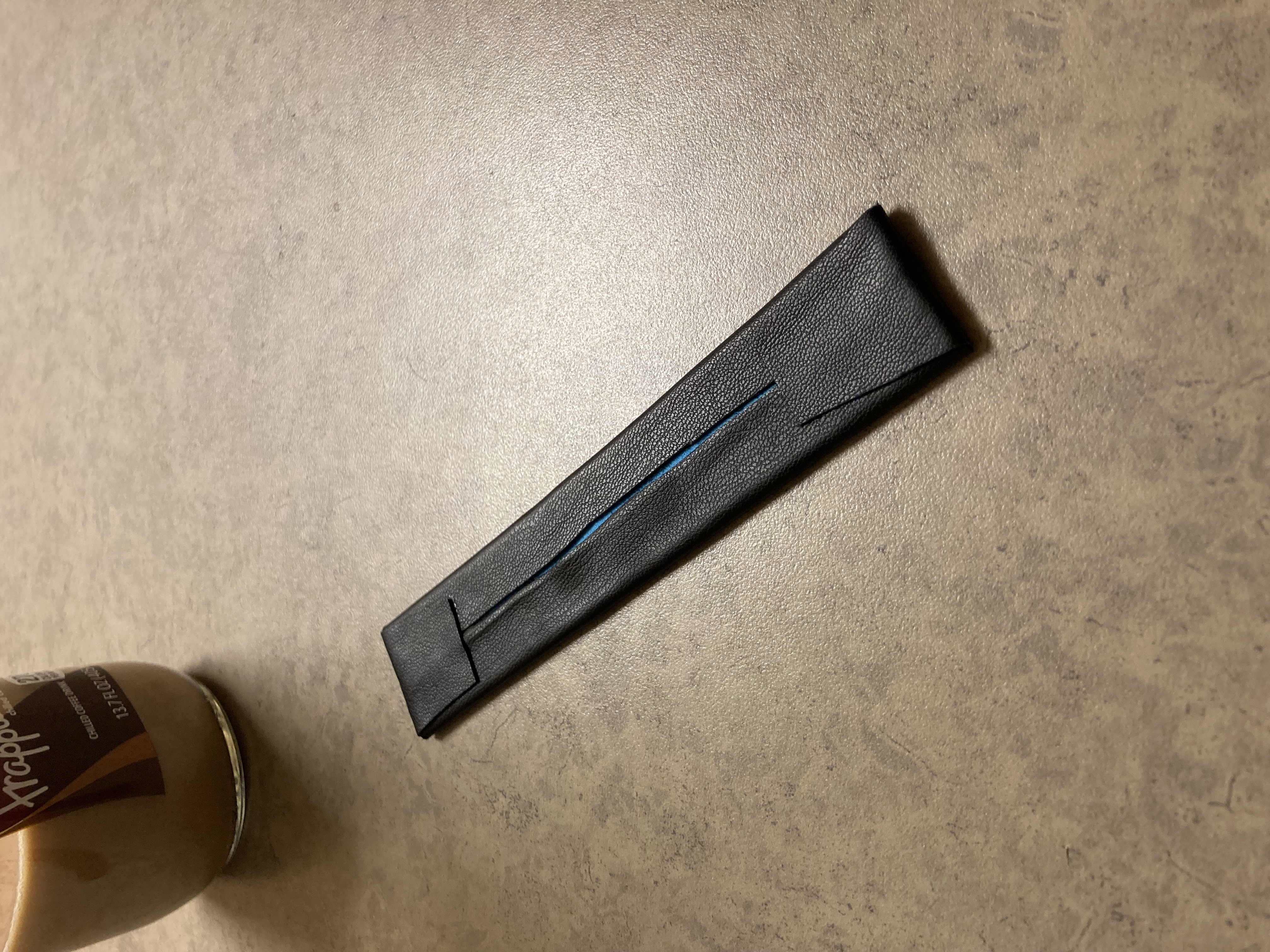
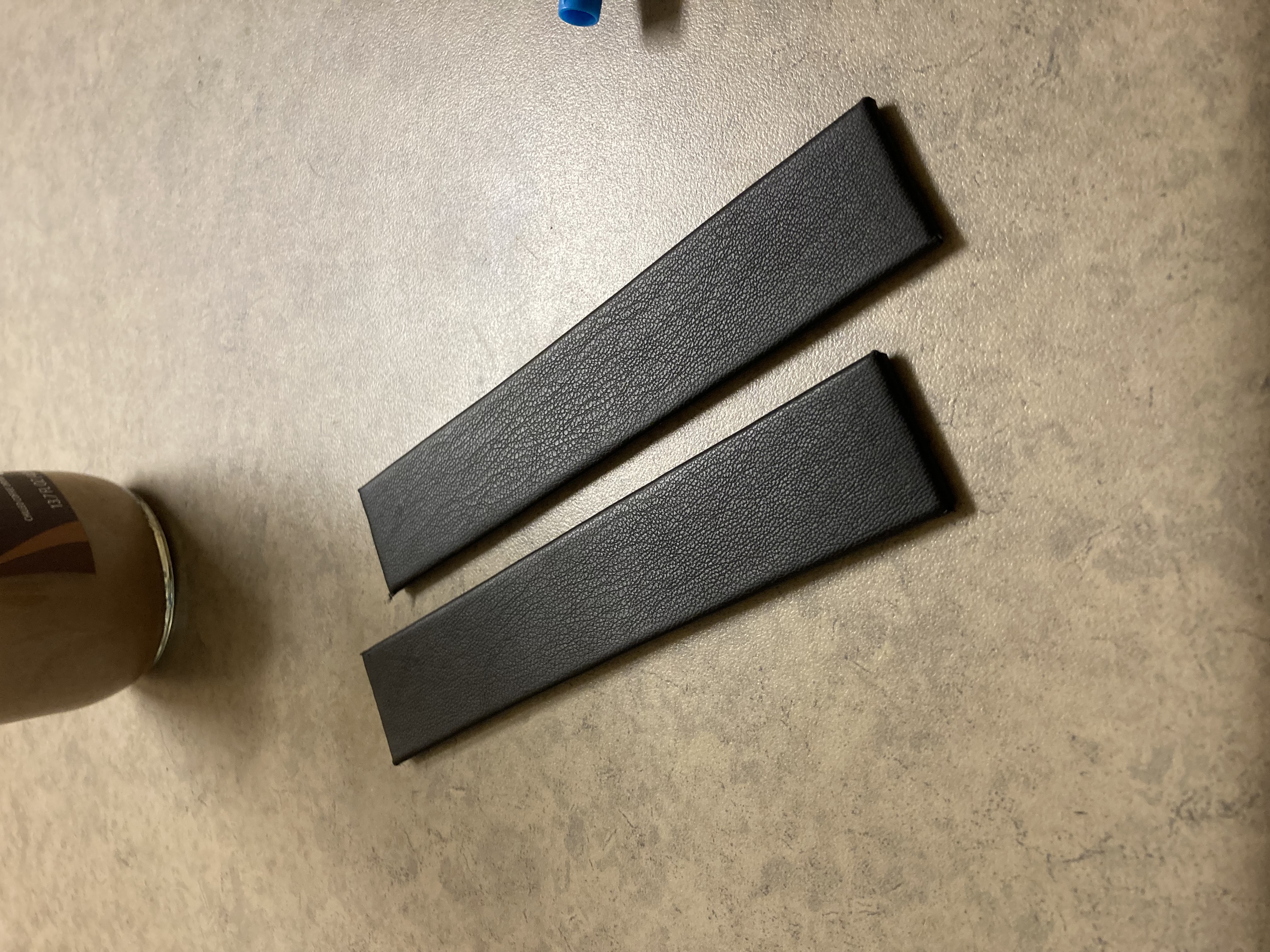
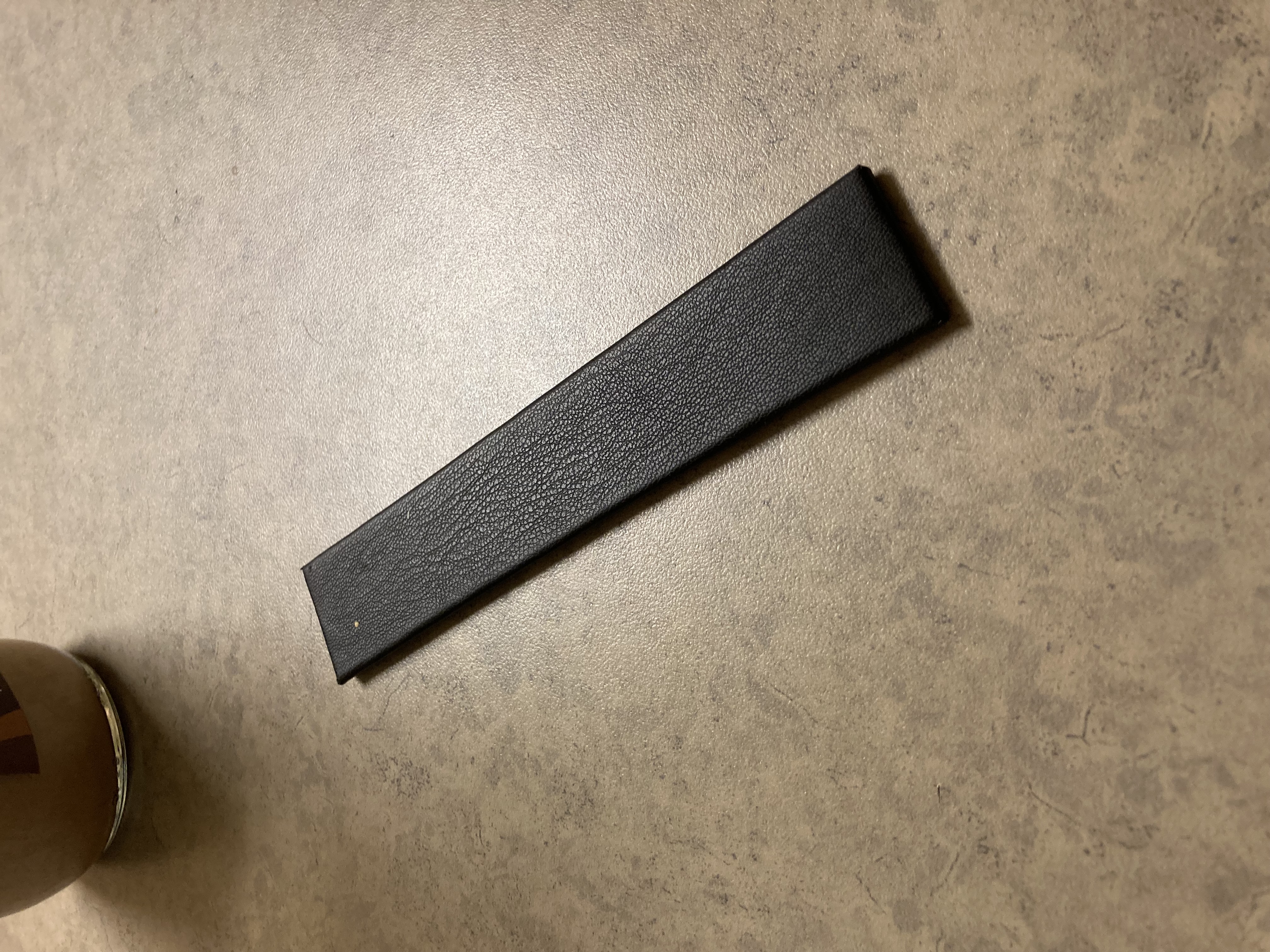
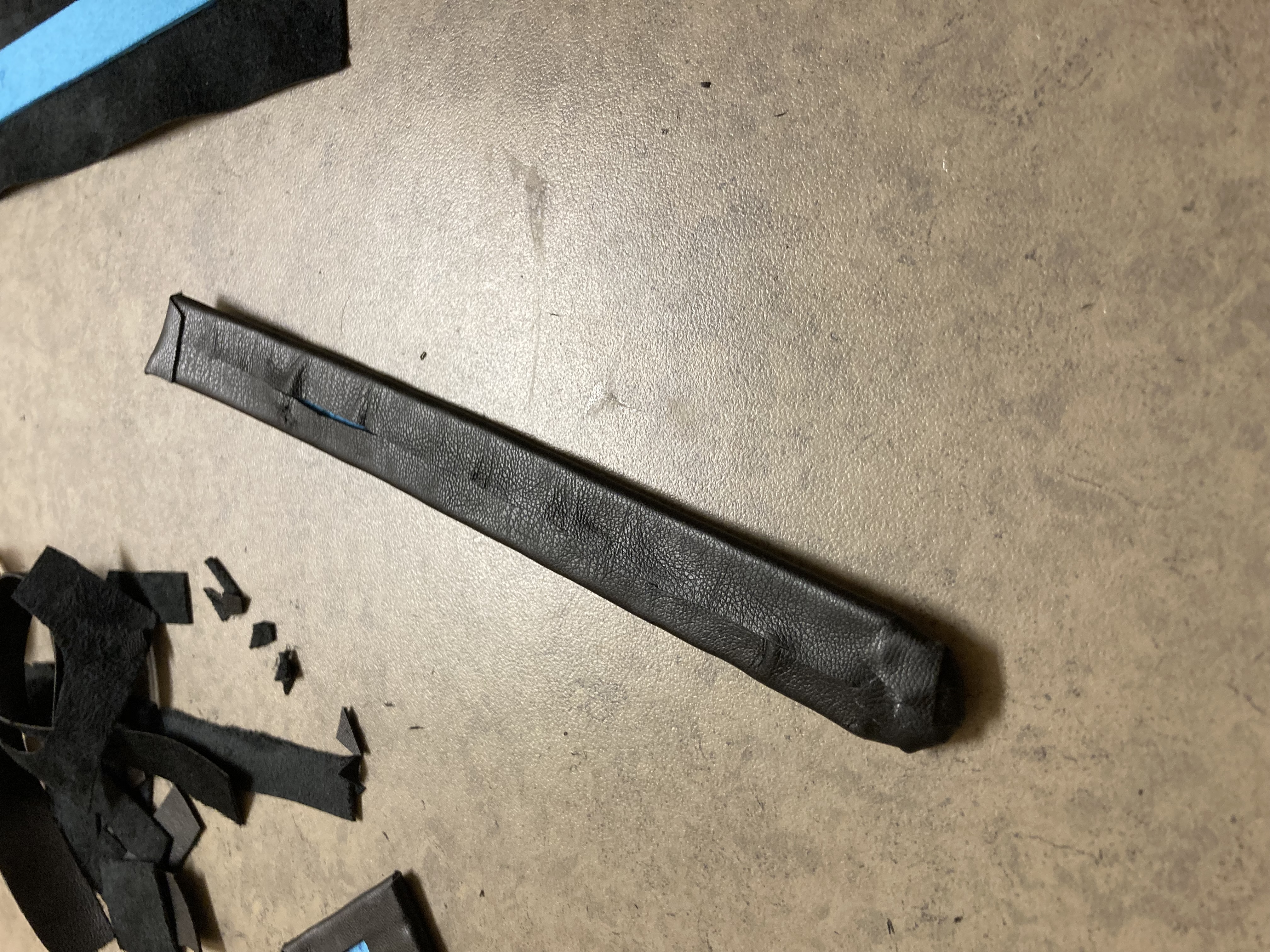
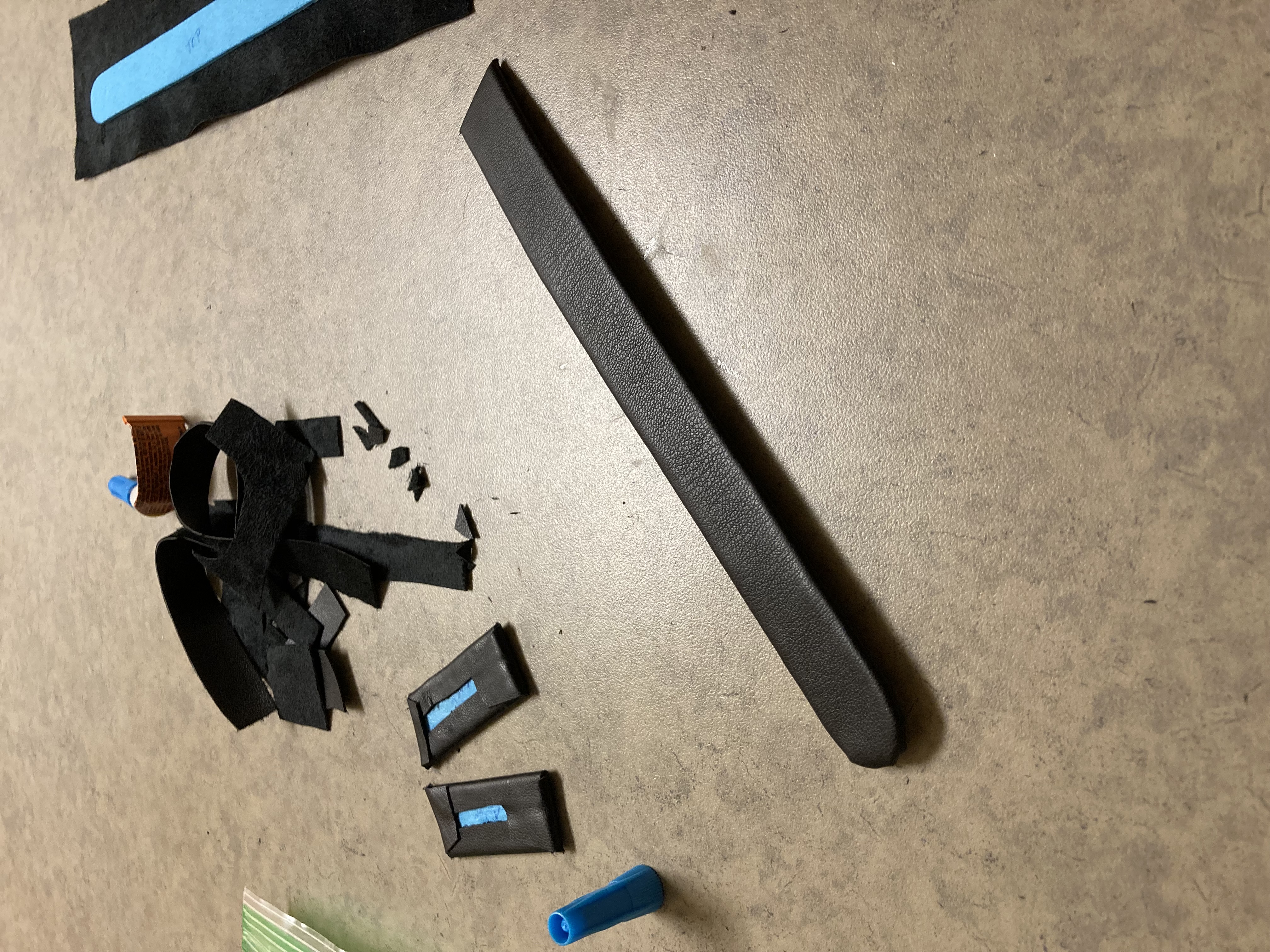
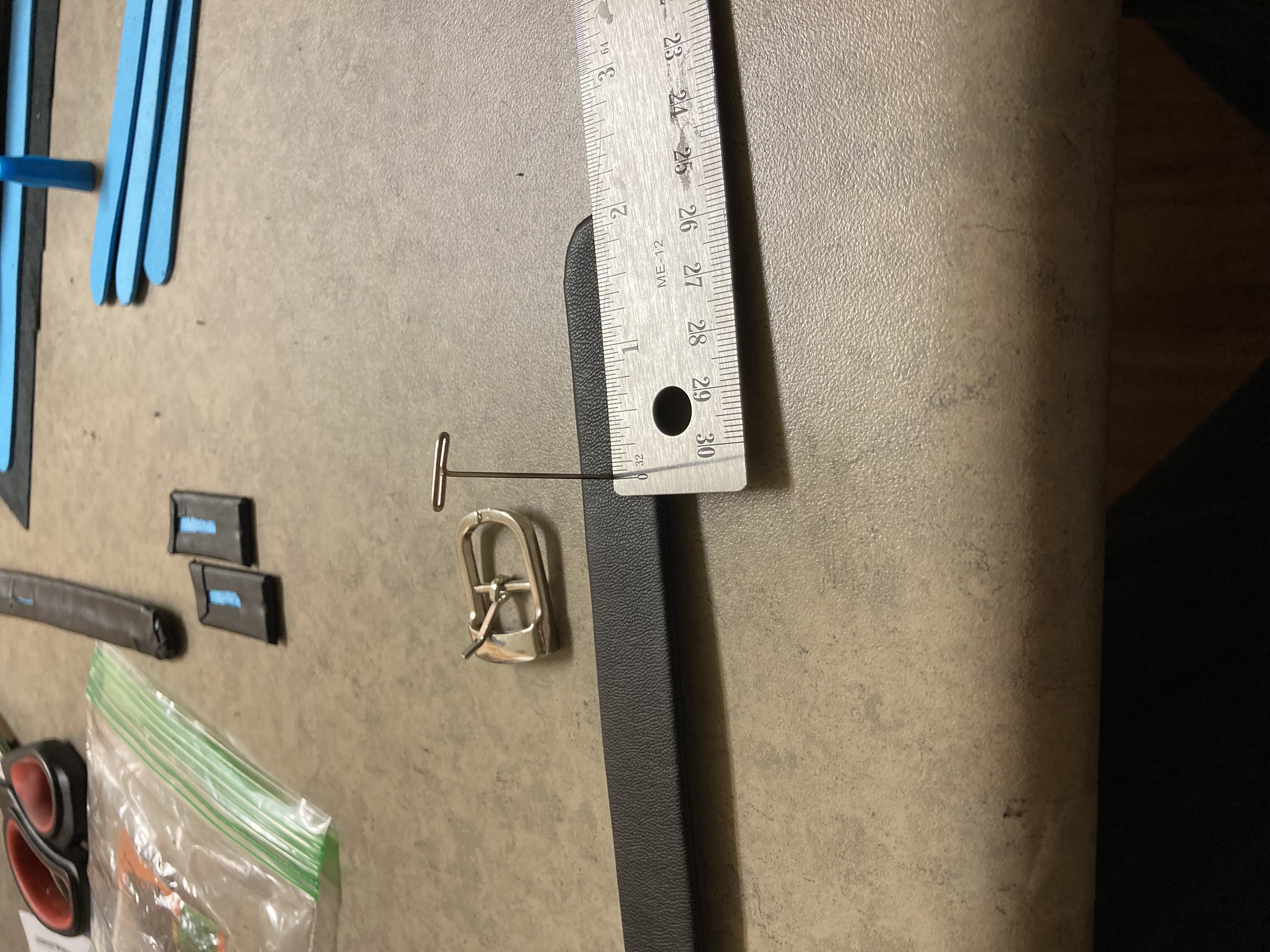
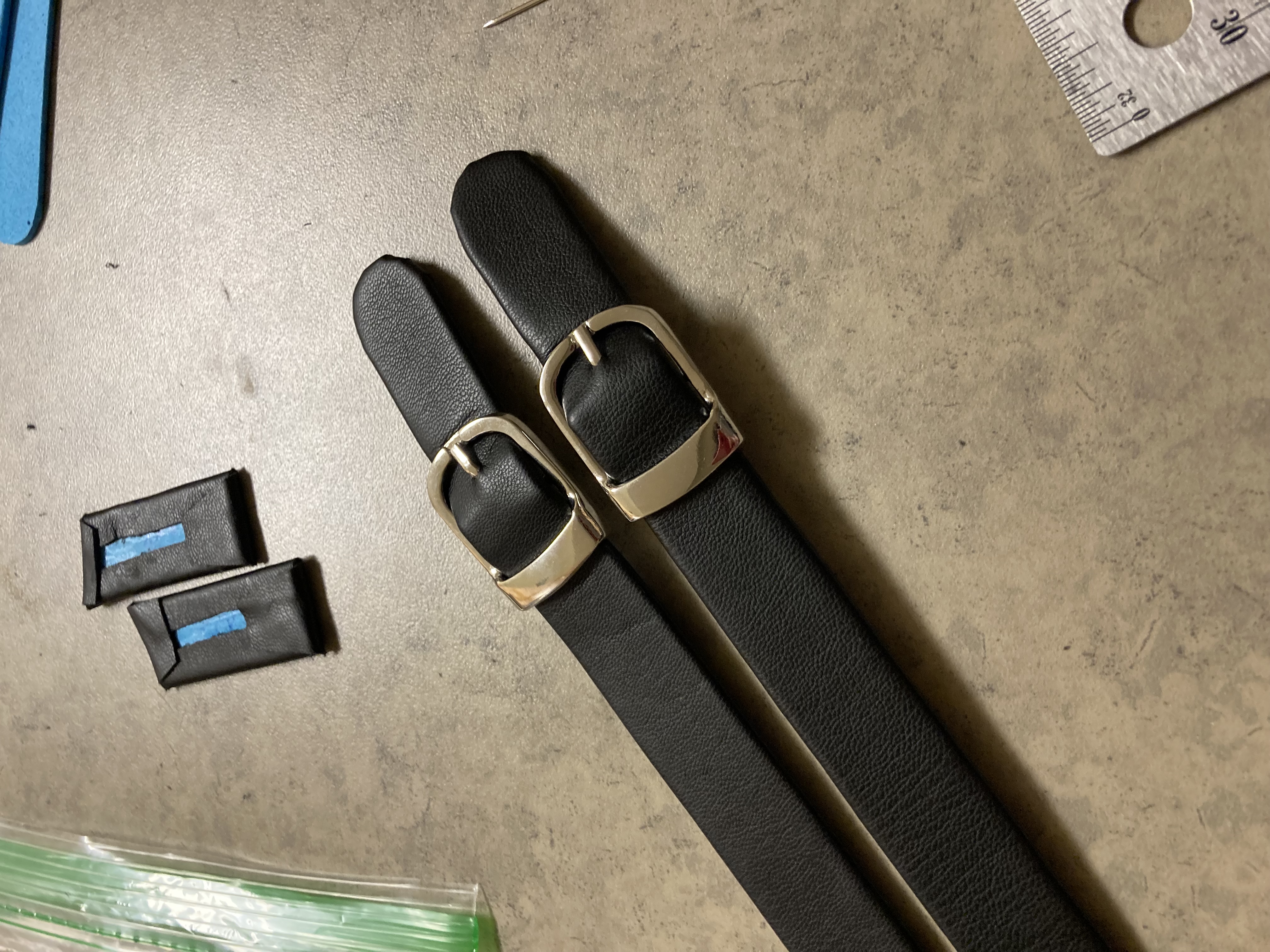
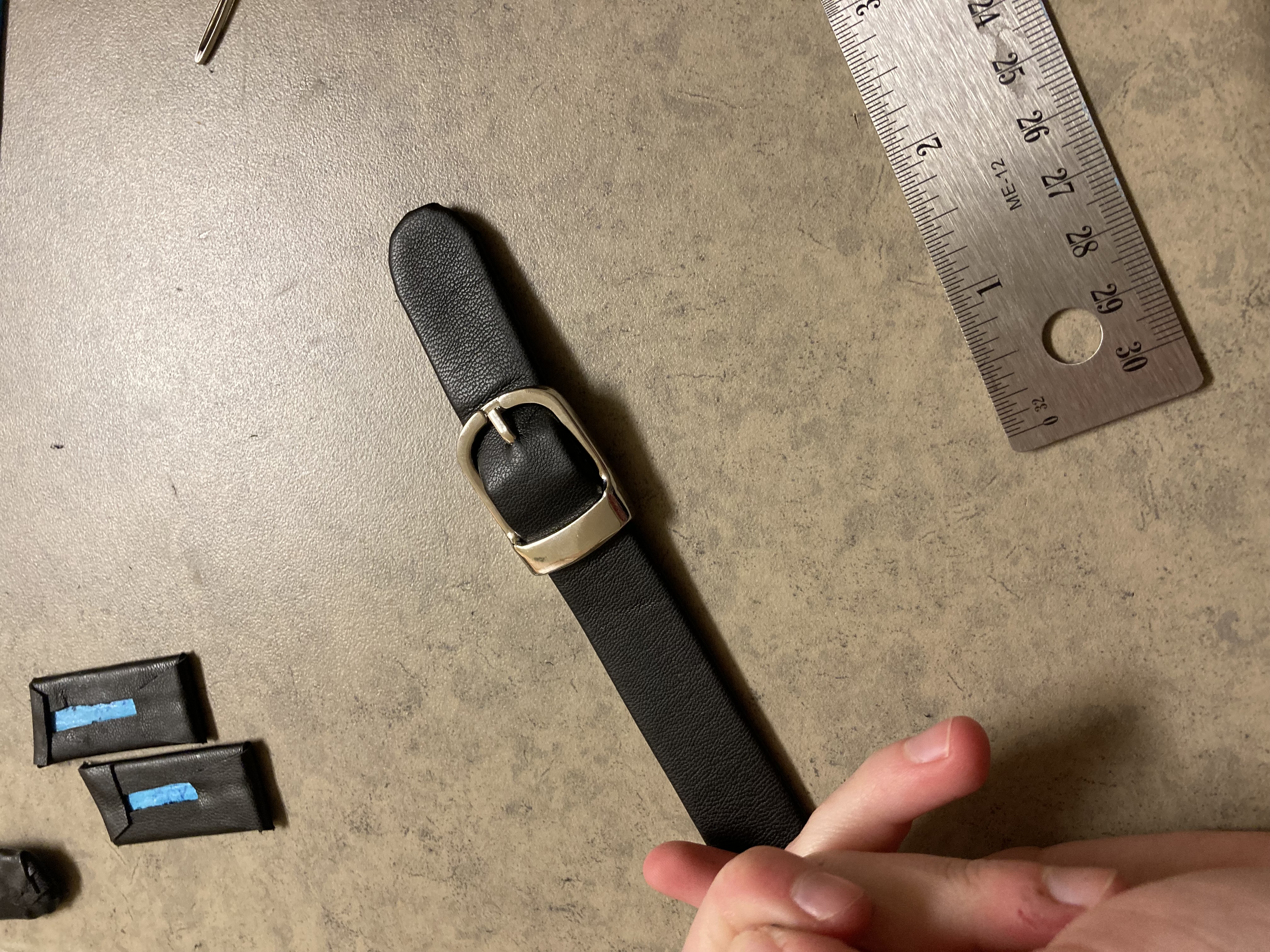
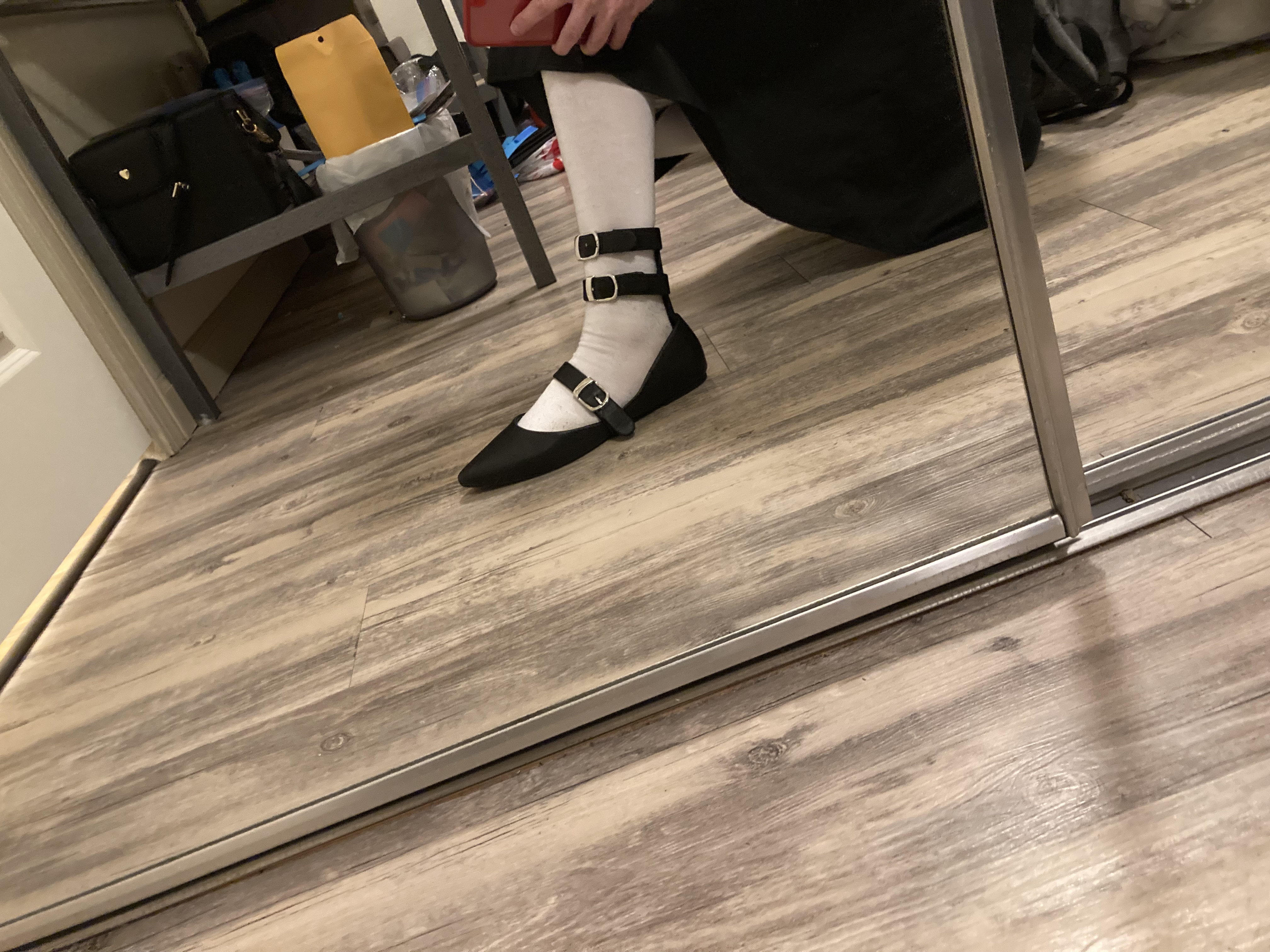
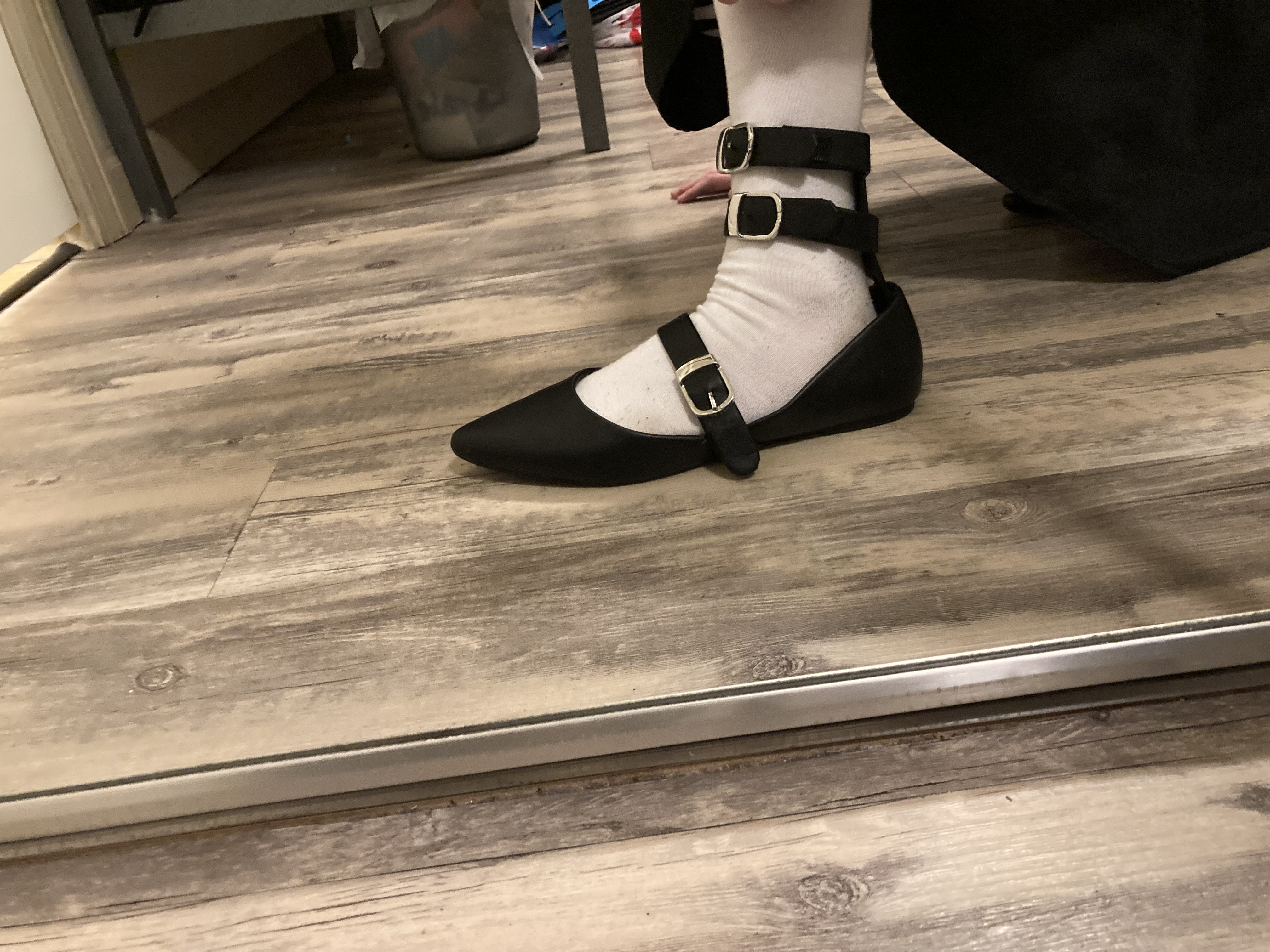
I was very happy with this pair of shoes, however, some of the things I would change would be the adhesive I used to attach the velcro to the straps, and the type of velcro I used, since the straps had a tendacy to come undone when walking.
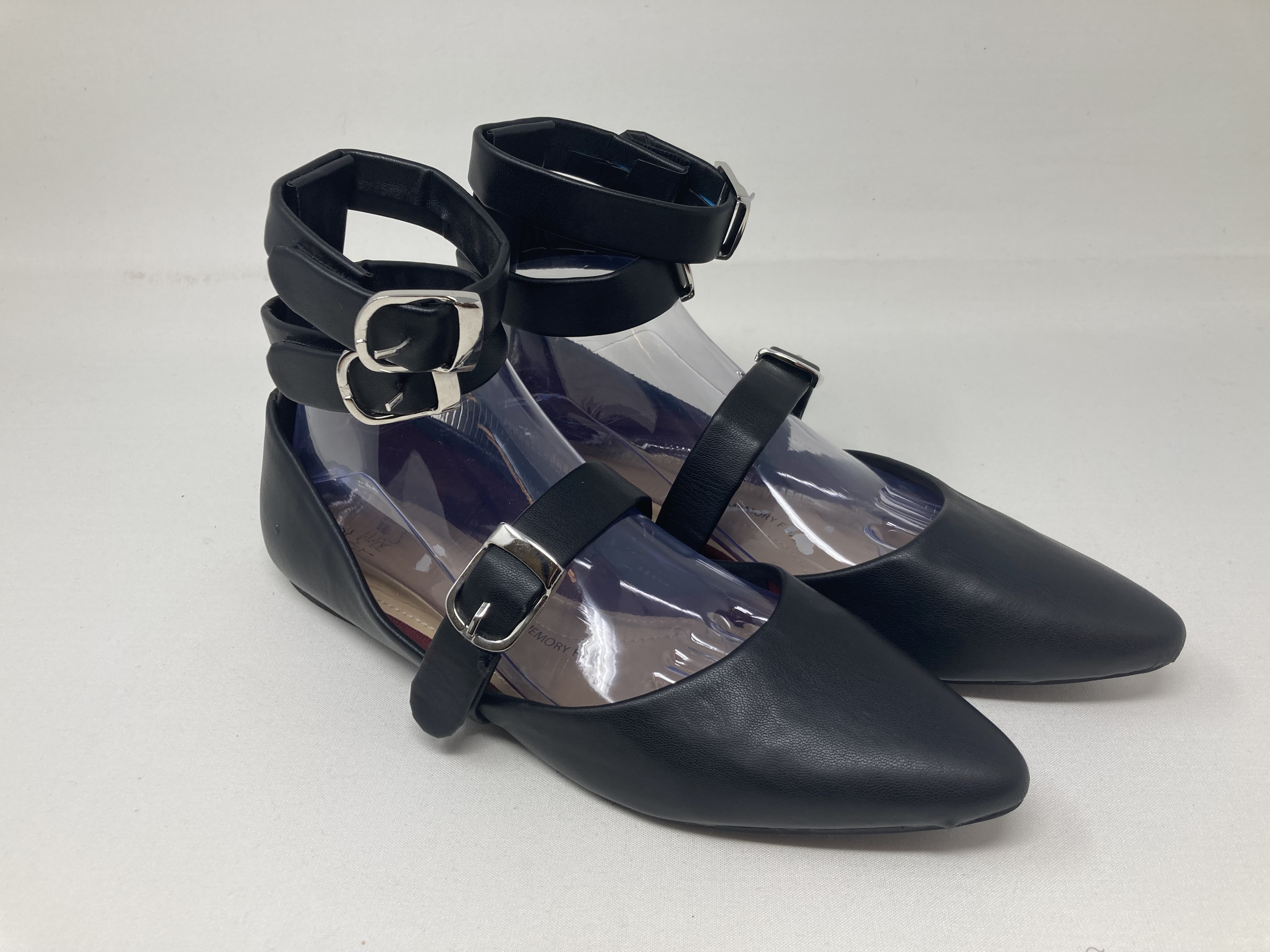
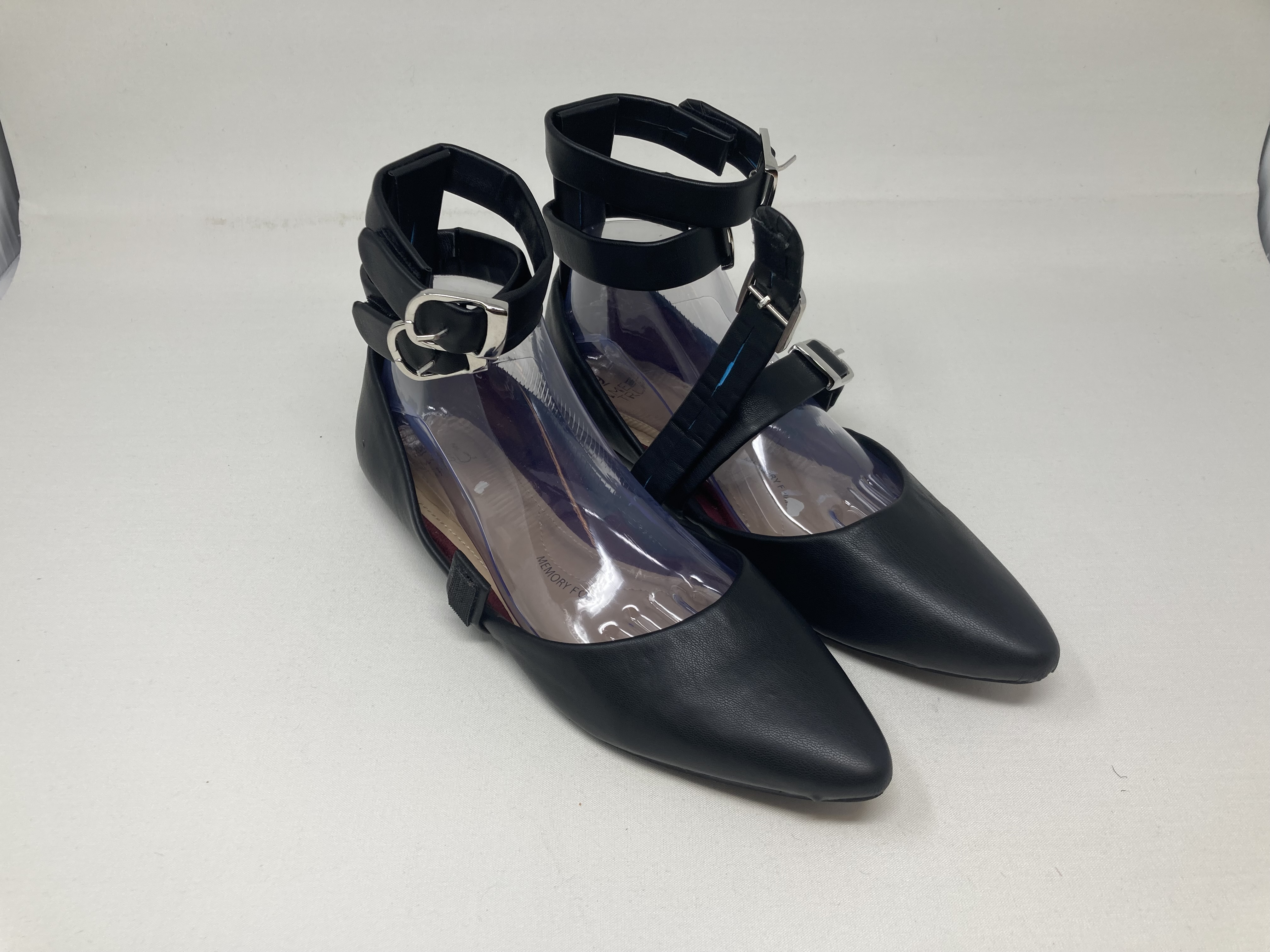
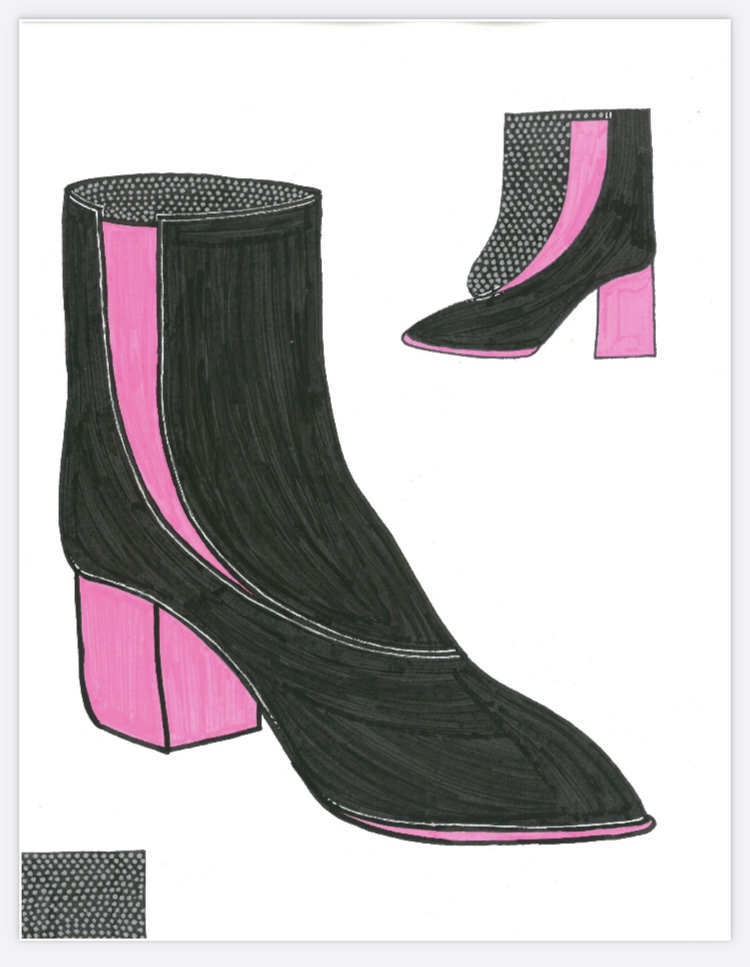
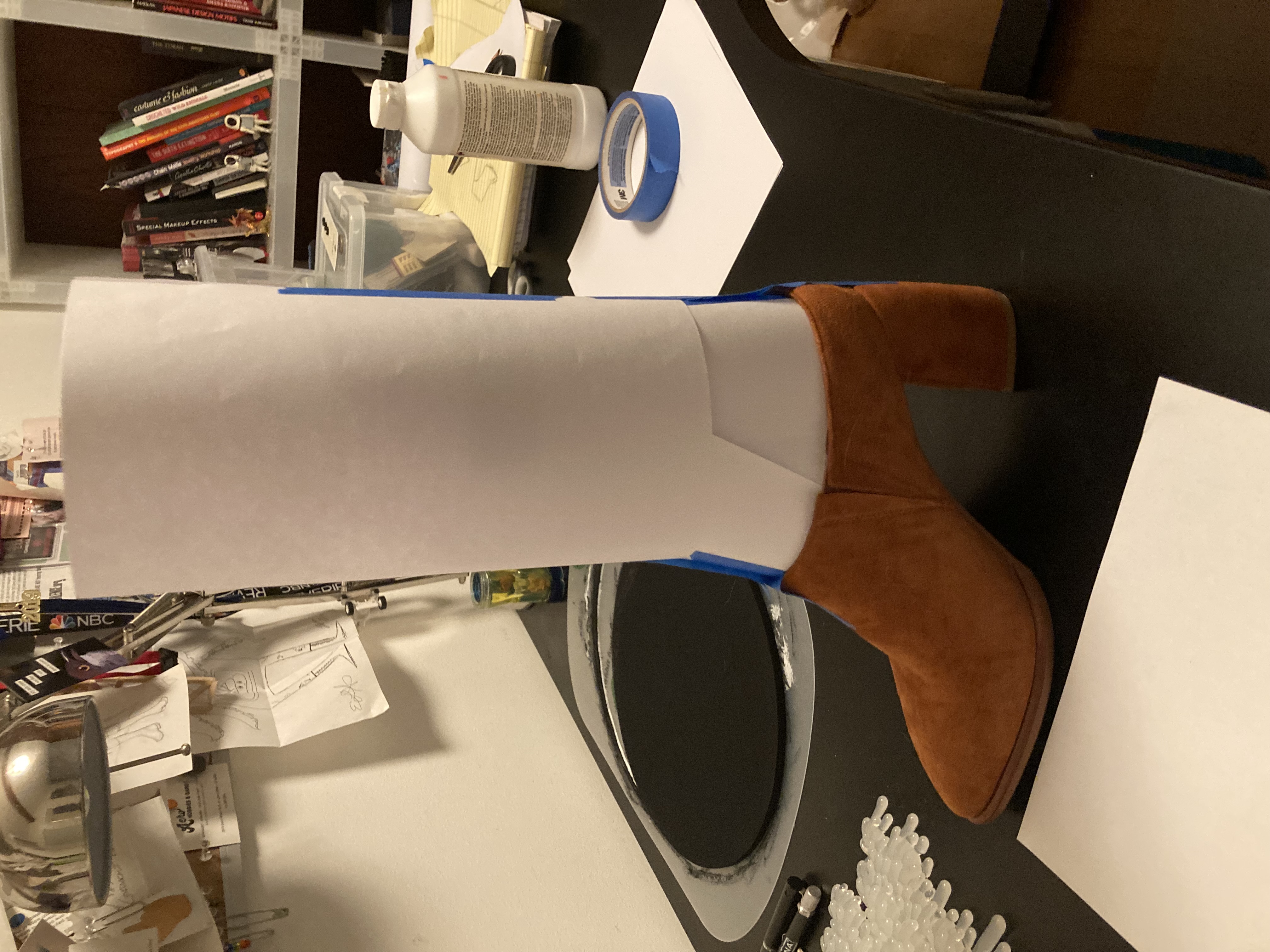
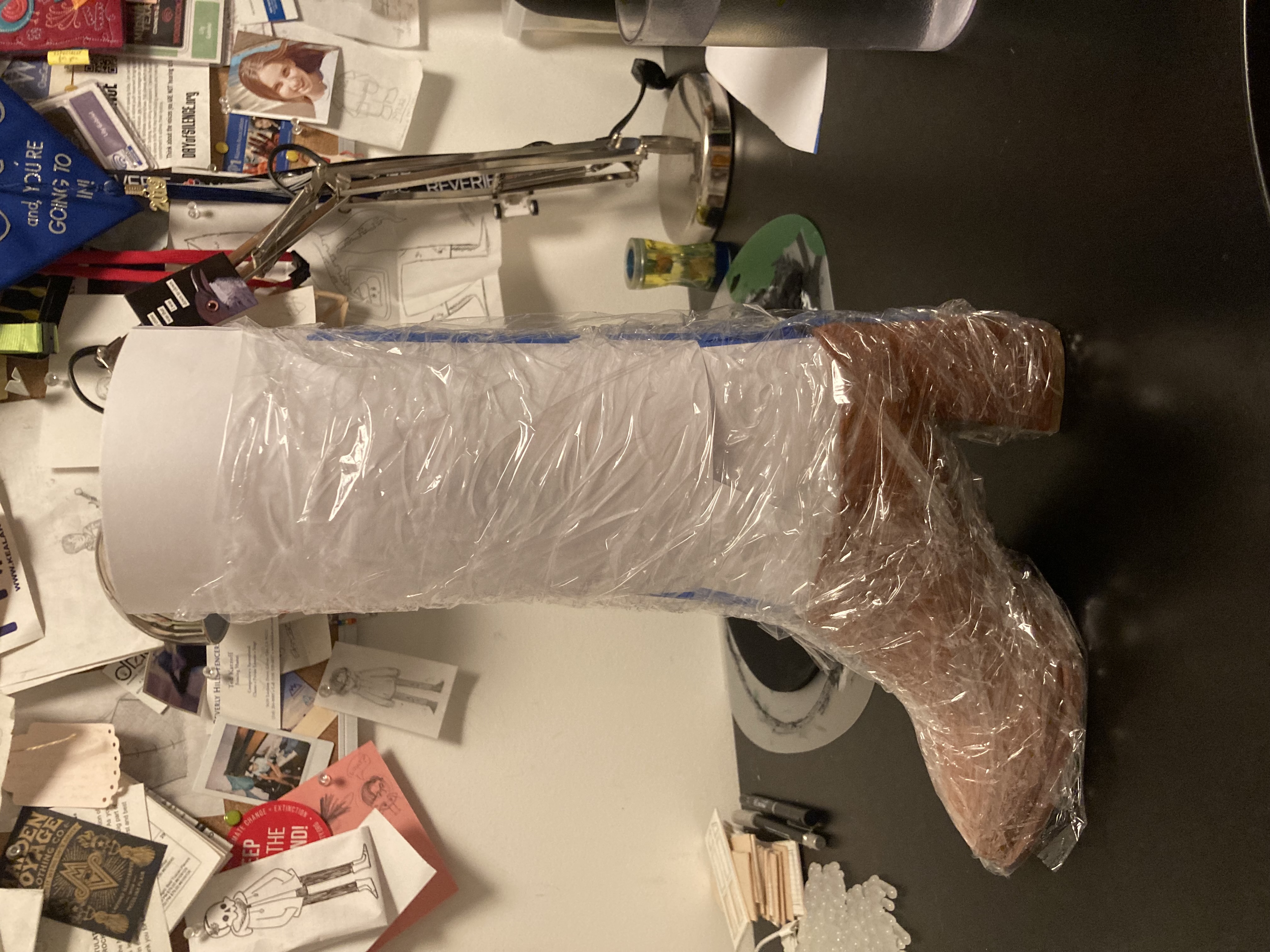
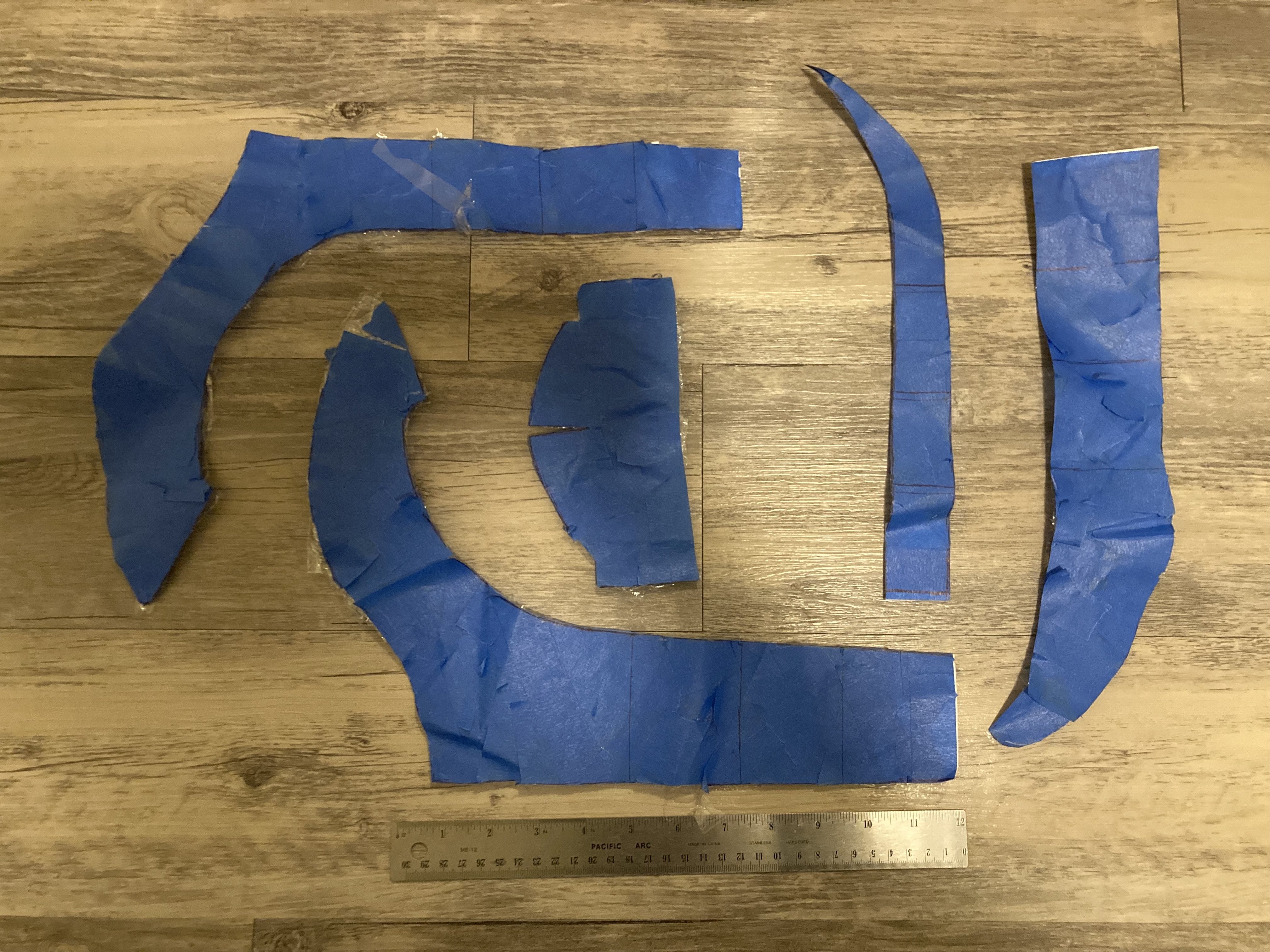
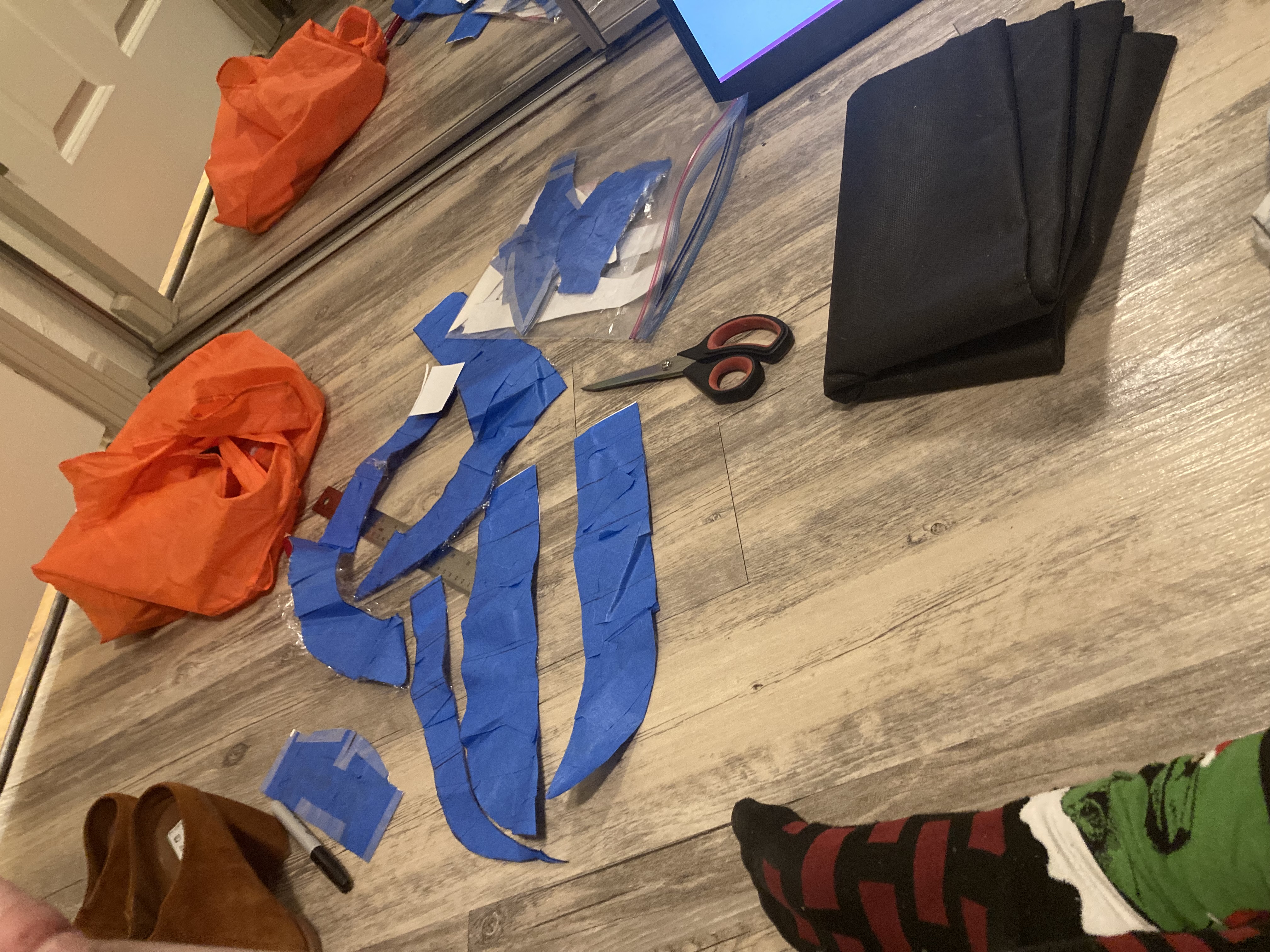
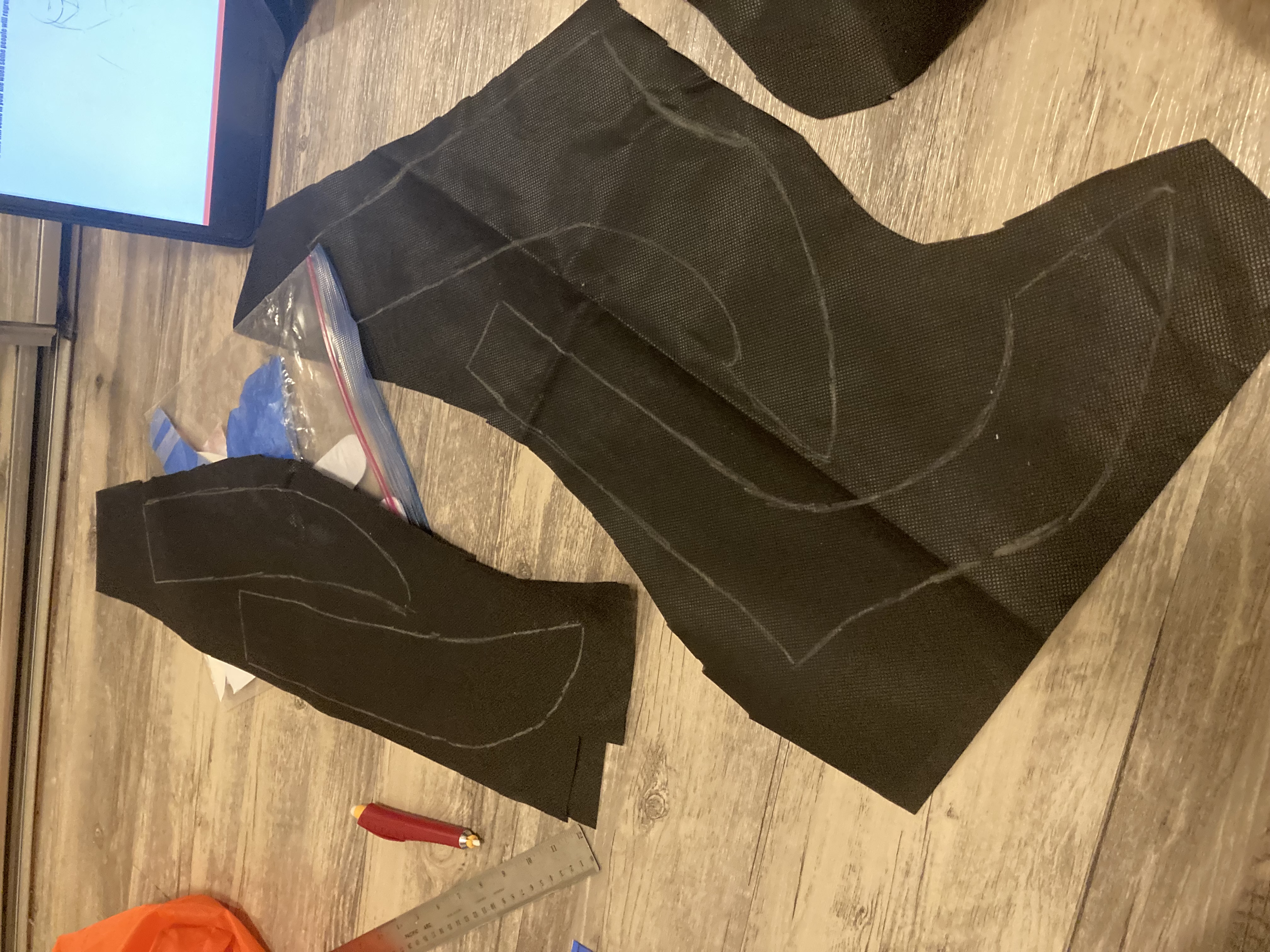
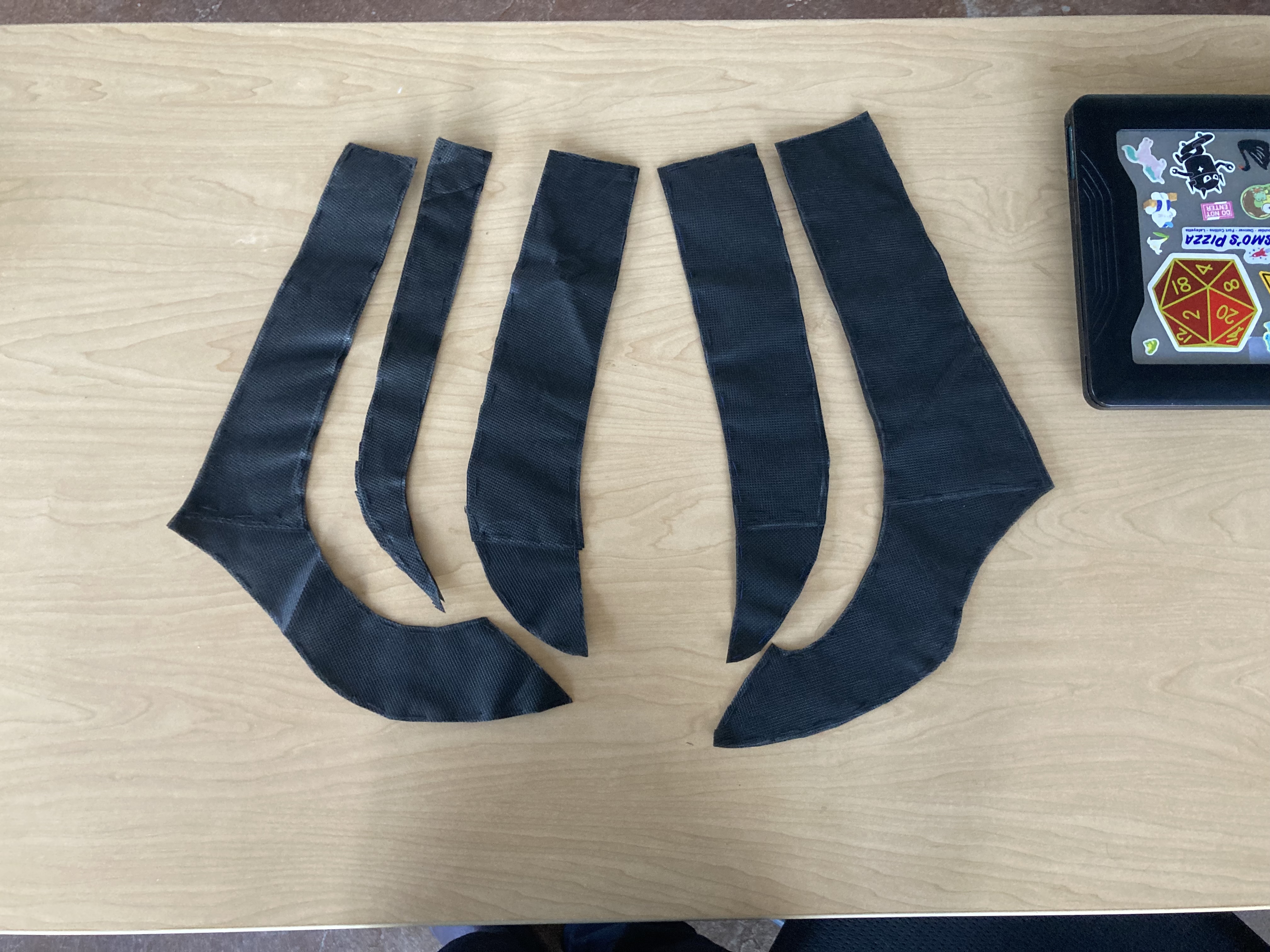
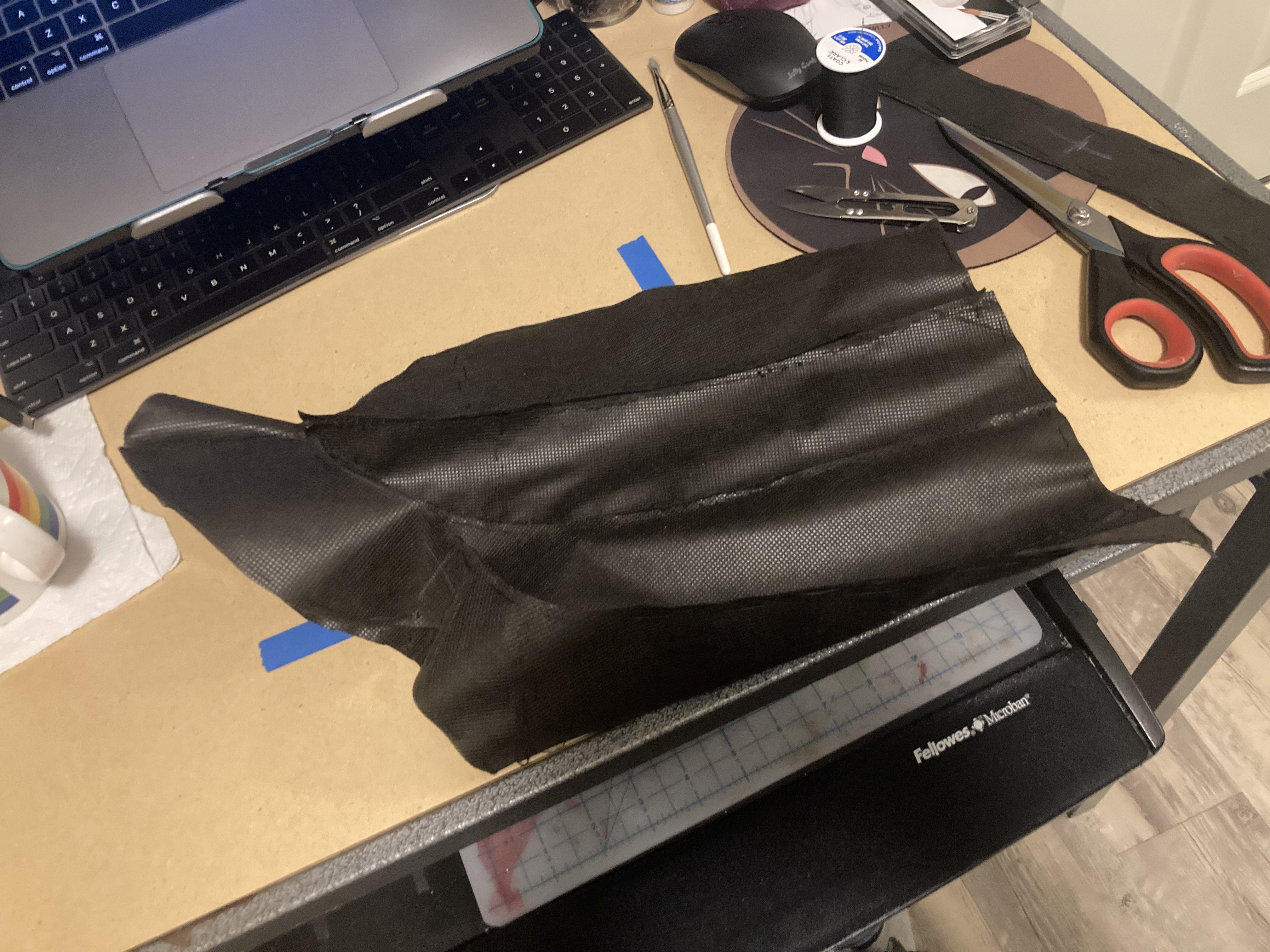

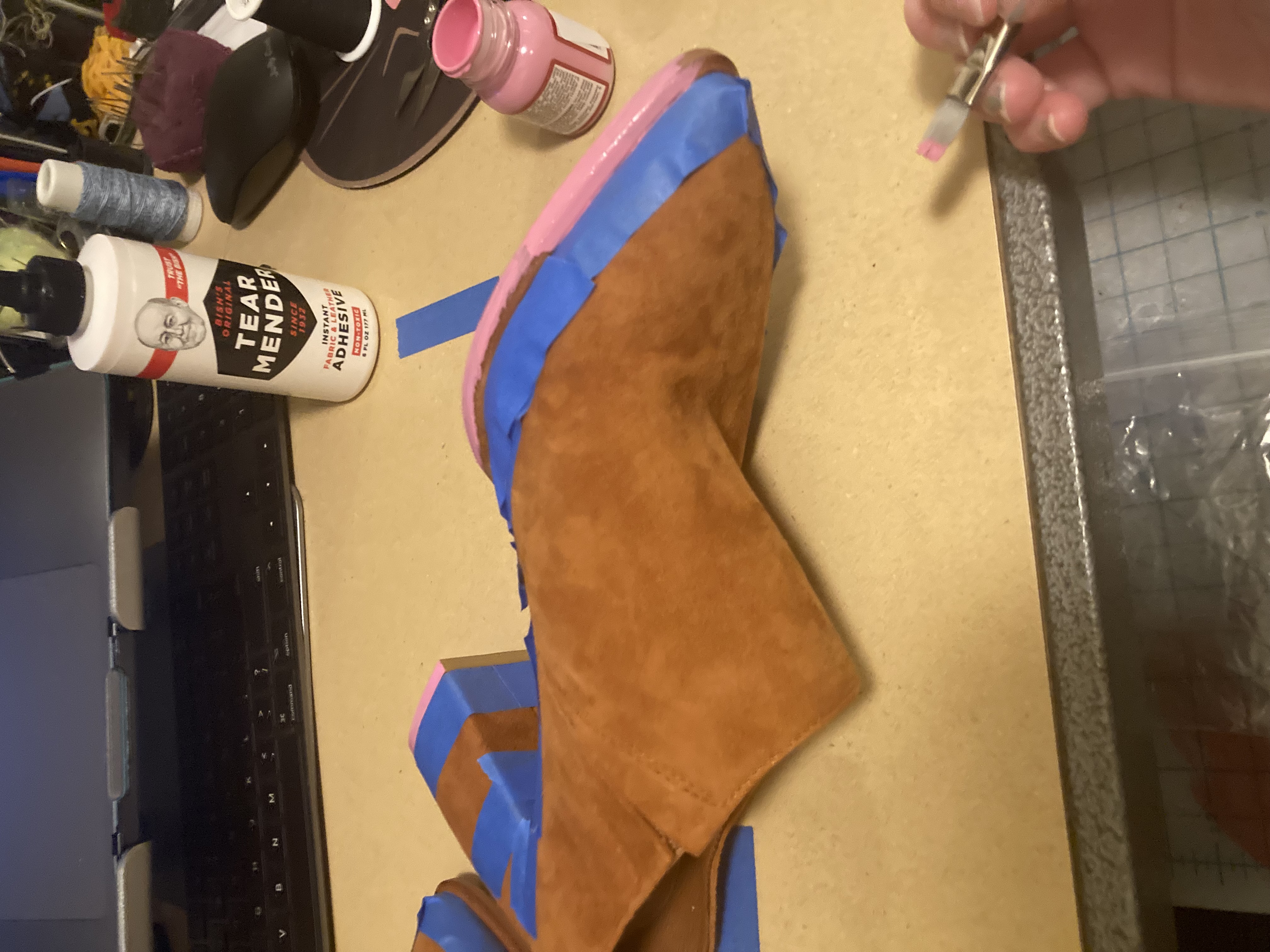
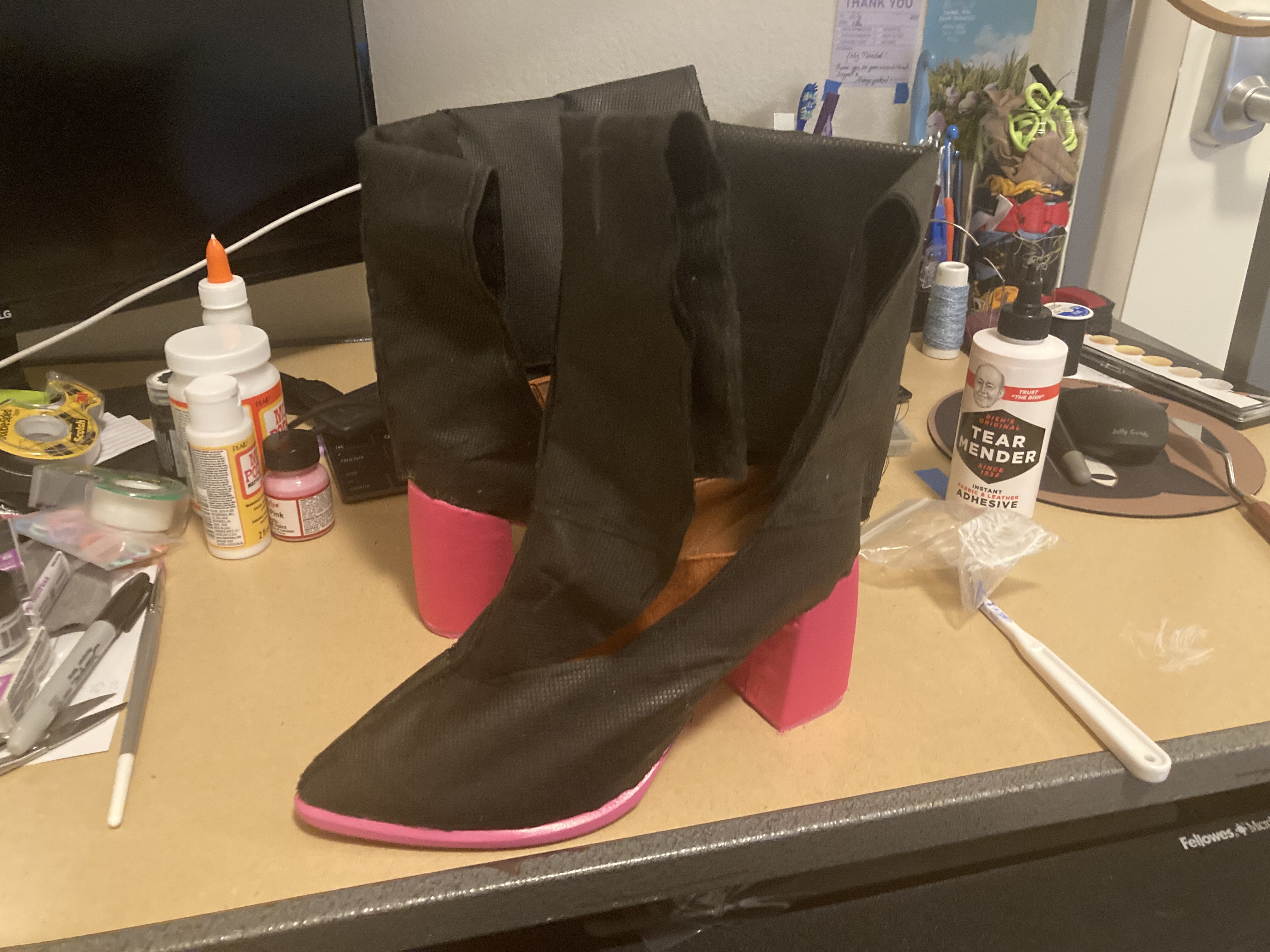
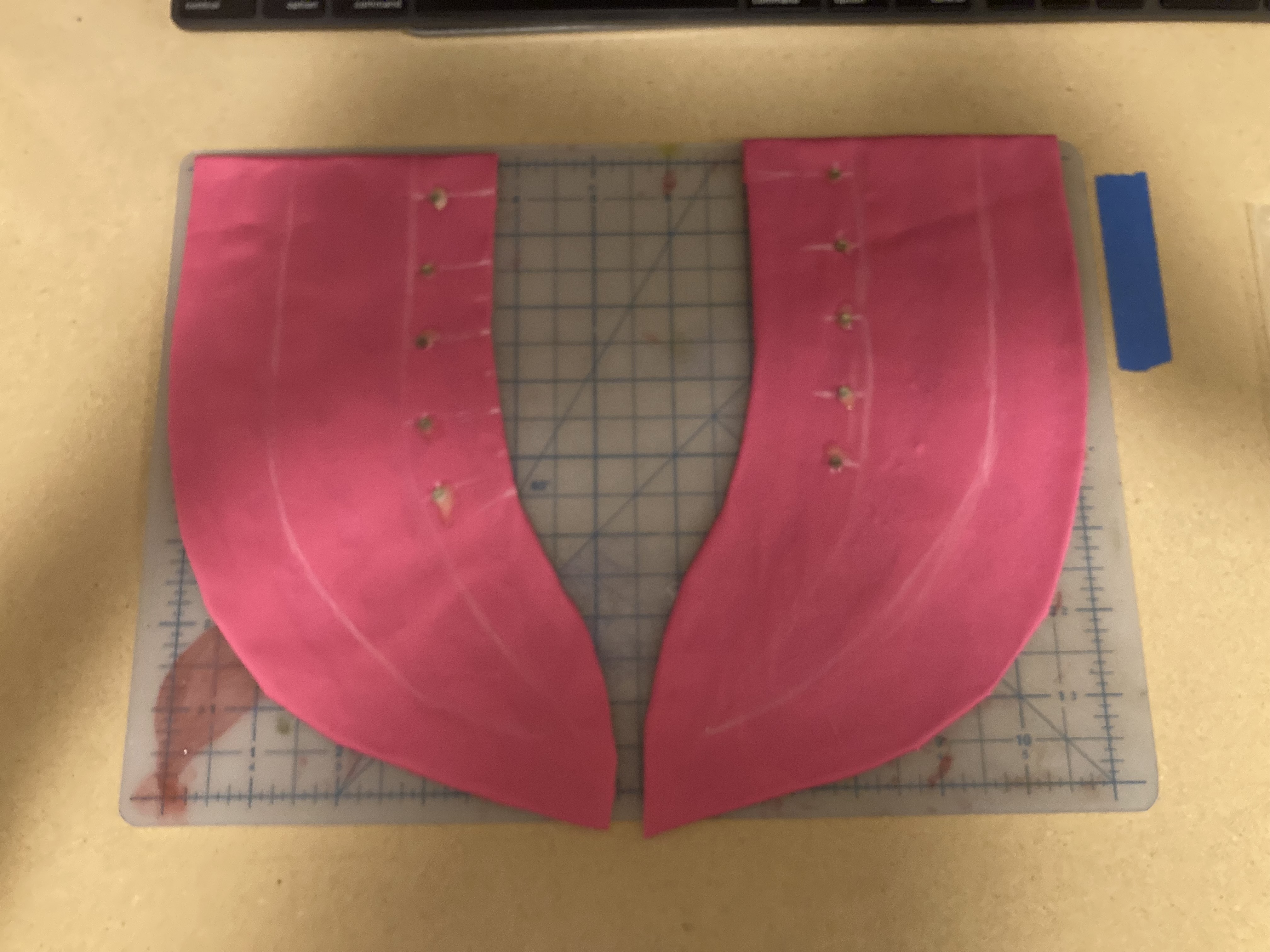
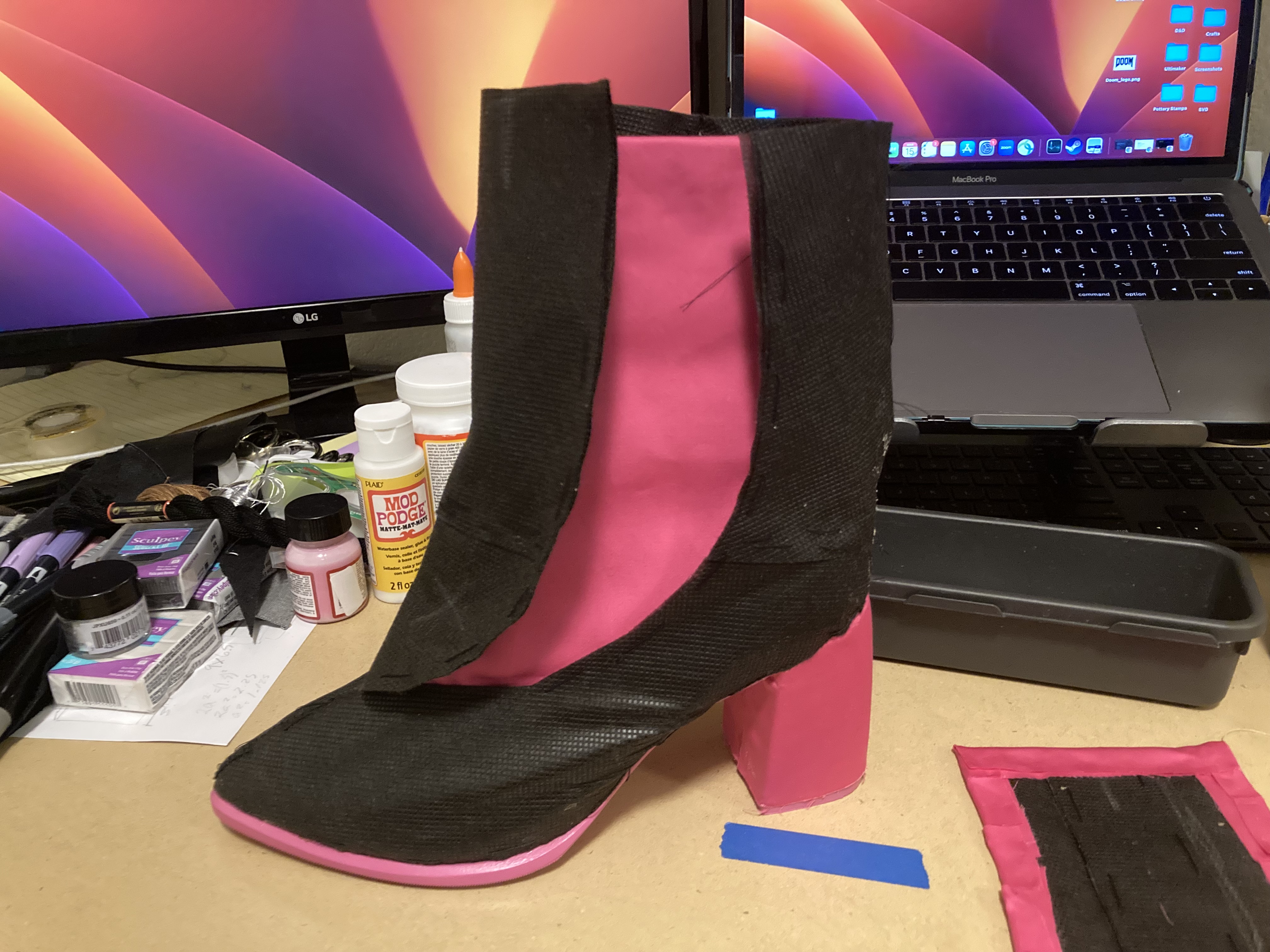
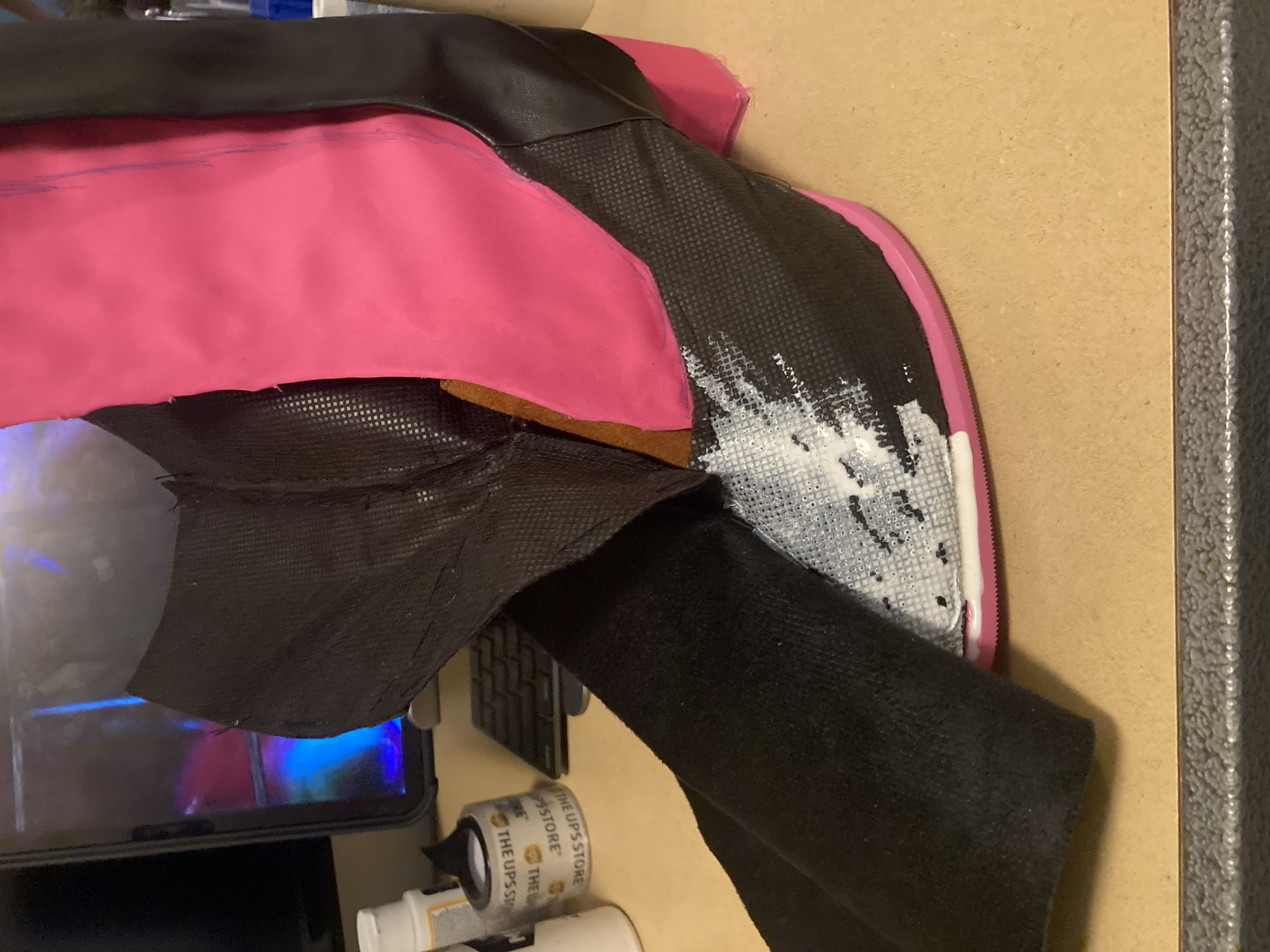
I have mixed feelings abou these boots. I managed to hit the mark on aesthetics quite closely, but as a rule of thumb, magnets are not the best for accessibility, as they are usually not strong enough, but when they are, it can interfere with medical equipment (like a prosthetic leg or pacemaker.) if I were to make these boots again, I might use velcro.